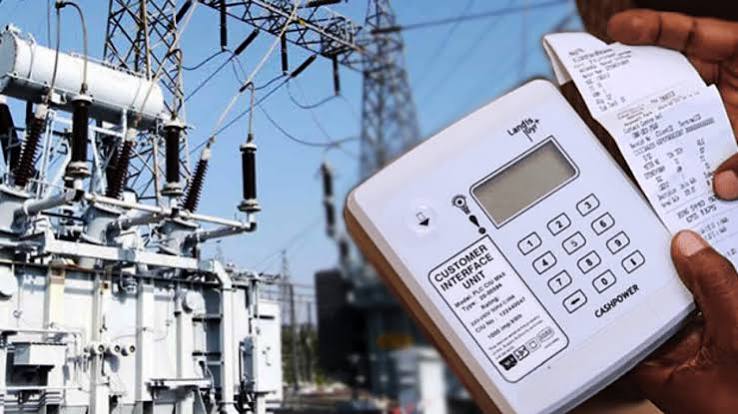
Nigeria’s electricity crisis has deepened, with power generation dropping by more than 37 per cent as electricity consumers continue to complain about poor supply, billing problems and inadequate metering.
Data obtained from the Nigerian Independent System Operator showed that available generation fell to 3,885.72 megawatts (MW), representing a 37.17 per cent decline.
Consumers lodge 184,024 complaints
The decline in generation comes amid growing dissatisfaction among electricity consumers.
According to the Nigerian Electricity Regulatory Commission’s second-quarter 2026 report, customers lodged 184,024 complaints with the various Distribution Companies (DisCos) during the first half of the year.
Complaints increased slightly in the second quarter, rising to 92,407 from 91,617 in the first quarter.
NERC said the major issues raised by consumers remained metering, billing and interruptions in electricity supply.
The commission also reported that 117 of the 146 complaints submitted directly to its Customer Complaints Unit during the quarter were resolved, representing an 80.13 per cent resolution rate.
DisCos lose N129bn
The challenges in the distribution segment have also affected the finances of electricity companies.
NERC put the weighted average Aggregate Technical, Commercial and Collection (ATC&C) losses of the DisCos at 36.23 per cent in the second quarter, significantly above the 16.92 per cent target under the 2026 Minimum Remittance Order.
The losses translated into about N129.073 billion in revenue losses across the distribution companies.
Although the figure represented a slight improvement from the 37.44 per cent recorded in the first quarter, all the DisCos reportedly failed to meet their individual loss-reduction targets.
Kaduna DisCo recorded the highest level of underperformance, with ATC&C losses of 67.70 per cent, compared with its target of 18.18 per cent.
Businesses, households turn to generators
The latest decline in generation is expected to put additional pressure on households and businesses already struggling with high energy costs.
The situation comes only weeks after the Minister of Power, Joseph Tegbe, said electricity generation had reached about 5,330MW in August and September.
The sharp drop from that level has raised fresh concerns over the sustainability of improvements in the power sector and the ability of the national grid to consistently provide adequate electricity.
Meanwhile, Ikeja Electric attributed reduced supply across its network to a shortage of power allocated to it from the national grid, assuring customers that it was engaging relevant stakeholders to improve supply.
The latest figures add to the mounting pressure on Nigeria’s electricity sector, where consumers are demanding better service while DisCos continue to face operational, financial and infrastructure challenges.
#PowerSupply #Electricity #Nigeria #NERC #DisCos #PowerGeneration #ElectricityCrisis #NigeriaNews #BusinessNews #OnPointGist