Ghana has challenged the United States Federal Bureau of Investigation’s account of a recent cybercrime crackdown in the country, insisting that Ghanaian security agencies planned and led the operation with support from international partners.
The country’s Cyber Security Authority (CSA) said the exercise, known as Operation Cyber Hunt, was coordinated by Ghanaian authorities and should not be portrayed as an operation independently conceived, commanded or executed by the FBI.
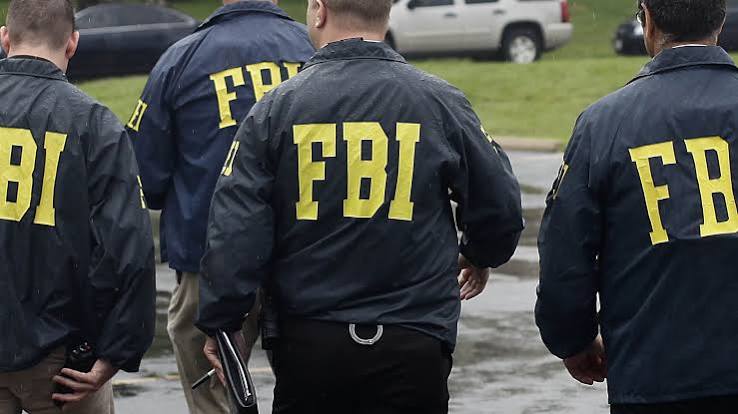
The response followed an announcement by FBI Director Kash Patel, who said more than 130 people had been arrested or detained during a crackdown on suspected scam centres in Ghana under the bureau’s global anti-fraud initiative, Operation Blackout.
Ghana’s Minister for Communication, Digital Technology and Innovations, Samuel Nartey George, also criticized the presentation of the operation, arguing that it failed to recognize the leading role played by Ghanaian law enforcement agencies.
He warned that such an account could undermine future cooperation between Ghana and its international partners.
Ghana Says Eight Suspects Were Arrested
In its statement, the CSA said the operation involved Ghana’s National Security Council, the Criminal Investigations Department of the Ghana Police Service, the Ghana Immigration Service and the Office of the Attorney-General.
International partners included the FBI, the United Kingdom’s National Crime Agency, Nigeria’s Economic and Financial Crimes Commission and the Joint Case Team on Cybercrime.
According to the authority, the operation uncovered suspected cybercrime centres at several locations in the Greater Accra Region, resulting in the arrest of eight suspects and the rescue of 120 people believed to have been trafficked and exploited for online fraud.
The operation followed intelligence received on August 26, 2026, indicating that apartments at Ubuntu Haven Estate in Kpone Katamanso, Franko Estate in Ga North and other locations in Ga West were allegedly being used as bases for organized cybercrime, including romance scams.
Items seized included 136 mobile phones, 130 laptops, internet connectivity equipment and four vehicles. One of the vehicles was reportedly stolen from Canada.
Investigators also recovered jewellery, 10 Nigerian passports and other digital equipment.
The CSA said arrangements were being made to repatriate the rescued victims, most of whom were identified as Nigerians, while investigations into the suspects and seized devices continued.
Ghana Defends Its Sovereignty
The authority stressed that Ghanaian institutions conducted the operation under the country’s laws and legal framework, maintaining that foreign law enforcement agencies cannot independently exercise police powers or conduct arrests within Ghana.
It acknowledged the intelligence contributions of the FBI and the UK’s National Crime Agency but called for public accounts of the operation to accurately reflect the roles of all participating agencies.
The CSA also urged the FBI to clarify its announcement and recognize the contributions of Ghanaian institutions and other international partners.
Meanwhile, Patel’s announcement stated that the operation had identified nearly $10 million in losses involving 89 victims, with more than 300 electronic devices seized.
The difference between the FBI’s figure of more than 130 people arrested or detained and Ghana’s report of eight suspects arrested and 120 people rescued highlights the importance of distinguishing suspected offenders from people believed to be trafficking victims.
Both countries remain involved in efforts to tackle transnational cybercrime, with investigations into the Ghana operation still ongoing.