The Minister of Works, David Umahi, has urged the governments of Anambra and Delta states to closely monitor scrap markets in their respective areas to prevent further vandalism of critical infrastructure.
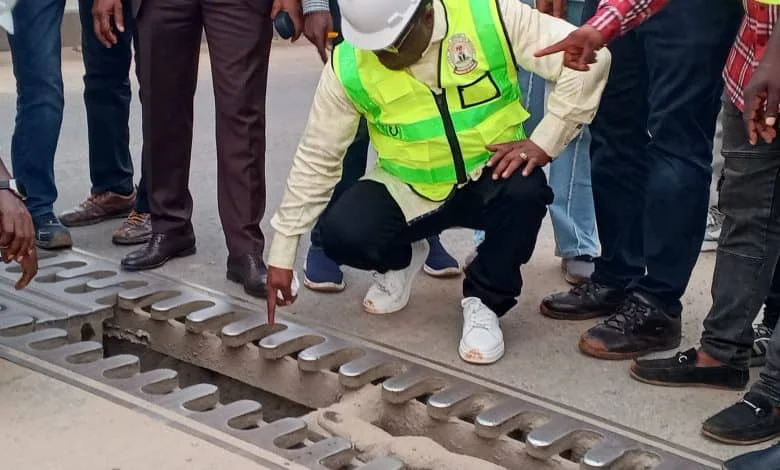
Umahi made the call on Wednesday while inspecting ongoing rehabilitation work at the Onitsha end of the First Niger Bridge, which links Anambra and Delta states.
The minister expressed concern over the activities of vandals, noting that the Federal Government had spent substantial funds replacing components of the bridge that were removed or damaged.
The bridge was temporarily closed to traffic from September 7 to 21 after the discovery of vandalised structural components, including bolts, nuts and sections of the expansion-joint steelwork. The closure was subsequently extended by one week because of persistent rainfall that affected the repair work.
Umahi said he would write to the governors of the two states to ensure closer monitoring of scrap dealers and markets, stressing that stolen public infrastructure could end up being sold through such outlets.
He also appealed to residents to regard the protection of critical infrastructure as a collective responsibility and report suspected acts of vandalism to security agencies.
Illegal dredging also banned
The minister reiterated the prohibition on illegal sand dredging around the bridge, warning that such activities could undermine its structural integrity.
He said he had directed the bridge director to communicate with the relevant security chiefs and the Federal Executive Council over a proposed restriction on sand dredging within 10 kilometres of bridges nationwide.
Umahi also disclosed that security agencies would be asked to avoid establishing checkpoints within 200 metres of the bridge, arguing that such checkpoints could contribute to traffic congestion and place additional loads on the structure.
Rehabilitation nears completion
The minister said the vandalised bolts had been replaced and secured, while the specialised expansion joints removed from the bridge had been manufactured and brought into the country for installation.
He said additional work had also been carried out, including the installation of CCTV cameras, streetlights, asphalt and repairs to the carriageway and walkways.
Umahi said the bridge would not be reopened until the essential rehabilitation works had been completed, although he expressed confidence that it would be ready for reopening the following week.
He also directed that additional solar lights be installed and that the CCTV system be completed and linked to the Second Niger Bridge.
The minister thanked residents and commuters for their patience during the closure and commended the contractor, SKECC, for the progress recorded on the rehabilitation project.