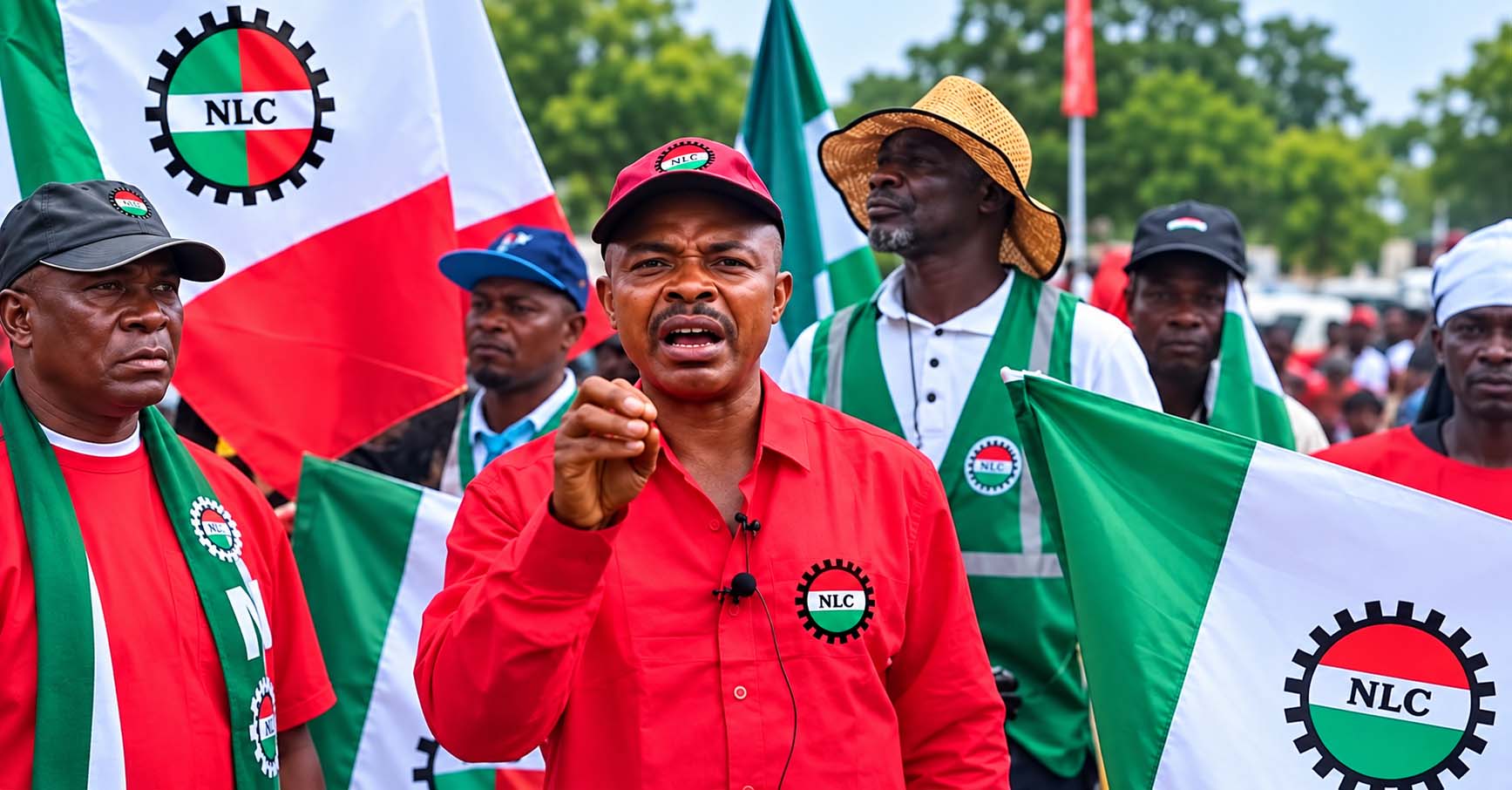
The Nigeria Labour Congress (NLC) has issued the Federal Government a 14-day ultimatum to reduce petrol prices, begin negotiations for a new national minimum wage and fulfil outstanding agreements with workers.
The union warned that failure to meet its demands within the stipulated period could trigger further action by organised labour.
The ultimatum takes effect from Friday, October 9, 2026, following a joint meeting of the NLC’s National Executive Council and Central Working Committee in Abuja.
In a communiqué signed by its president, Joe Ajaero, the labour body demanded that petrol prices be reduced to the level prevailing when the current national minimum wage was signed into law in 2024.
Workers Demand Urgent Relief
The NLC argued that high petrol prices have continued to drive up transportation fares, food costs and the prices of other essential goods, worsening the financial pressure on Nigerian workers and households.
The union also called for negotiations towards a new national minimum wage to begin before the end of October, citing the declining purchasing power of workers amid rising living costs and the depreciation of the naira.
Beyond fuel prices and wages, the Congress demanded tax relief for workers and the immediate payment of wage awards to cushion the effects of economic hardship.
Outstanding Agreements Under Scrutiny
The labour body further called on the government to implement outstanding agreements with public-sector and health-sector workers.
Among its demands is the implementation of the February 5, 2026, settlement involving the Joint Health Sector Unions and Assembly of Healthcare Professionals (JOHESU), alongside the demands of the Joint Public Sector Negotiating Council.
The NLC urged its affiliates and allies to remain prepared for further action if the government fails to respond to its demands within the deadline.
Government Faces Two-Week Test
The ultimatum comes as Nigerians continue to grapple with rising living costs and calls for measures to ease the impact of expensive petrol on household budgets.
The union has maintained that urgent intervention is necessary to protect workers’ earnings and restore their purchasing power.
Whether the government will meet the demands before the deadline expires remains to be seen. Failure to reach an agreement could heighten tensions between organised labour and the government in the coming weeks.