

What happened
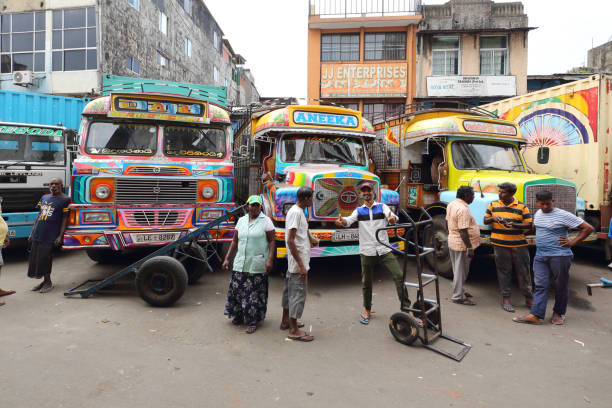
Rising petrol and diesel prices have renewed concerns about household purchasing power and the cost of doing business in Nigeria. Reuters reported in September that global oil-price increases were feeding into domestic fuel costs, even as local refining capacity expanded. Fuel affects much more than private car use: transport, generators, food distribution and small businesses all rely on it.
Why it matters
When delivery and electricity costs rise, businesses may increase prices, cut margins or reduce activity. Low-income households have fewer ways to absorb these shocks because food and transport already take a large share of their spending.
What Nigerians should watch
The effects vary by location, income and fuel access. One headline pump price cannot capture the full cost of commuting or operating a business across the country.
The bigger picture
Sustainable relief requires both near-term consumer protection and longer-term improvements in power, logistics, competition and public transport. Any claimed improvement should be tested against what households actually pay.
How to interpret the developments
Readers should distinguish three things when following this development: what has been officially announced, what independent reporting has confirmed, and what remains uncertain. A proposal, forecast or reported claim is not the same as a completed policy outcome. That distinction matters because early headlines can shape decisions by households, investors and public institutions long before the effects are visible.
Questions that still matter
Public accountability requires information that can be checked over time. Useful indicators include implementation dates, the agencies responsible, budget or commercial costs where relevant, and evidence of who benefits. Announcements are a starting point for scrutiny rather than the final measure of success. Where figures are preliminary or attributed to one source, subsequent reporting should update them rather than treating them as settled facts.
Who may be affected
The wider lesson is that national developments often have different consequences for different groups. A policy may help some consumers while placing pressure on suppliers; a positive forecast may coexist with hardship; and an institutional response may still leave unanswered questions. Responsible coverage should explain those differences rather than reducing complicated issues to a single claim.
What comes next
OnPointGist will continue to follow the implications of this issue as new primary documents and credible reporting become available. Readers should consult the linked original material for the underlying announcement or reporting, and treat any future changes as updates rather than assuming the situation is static.
Further perspective
For readers assessing this development, the most useful next step is to compare the announcement with evidence of implementation. That includes checking official updates, seeking independent confirmation, and noting whether the impact differs across communities or sectors. Numbers should be accompanied by dates and context so that changes can be understood accurately. Readers should also be alert to revisions, corrections and new information, especially when events are still unfolding. A carefully sourced account should explain both what is known and what remains unresolved, rather than treating uncertainty as evidence for a particular conclusion.
Editorial context
Readers should also consider how this issue connects to transparency, public confidence and the practical costs of policy choices. Official statements can establish an institution’s position, but they do not by themselves measure results on the ground. Independent scrutiny, accessible data and follow-up reporting are therefore necessary to understand what has changed, who is affected and whether promises are being fulfilled. Where evidence is incomplete, the responsible approach is to identify that uncertainty and seek additional confirmation instead of filling gaps with assumptions.