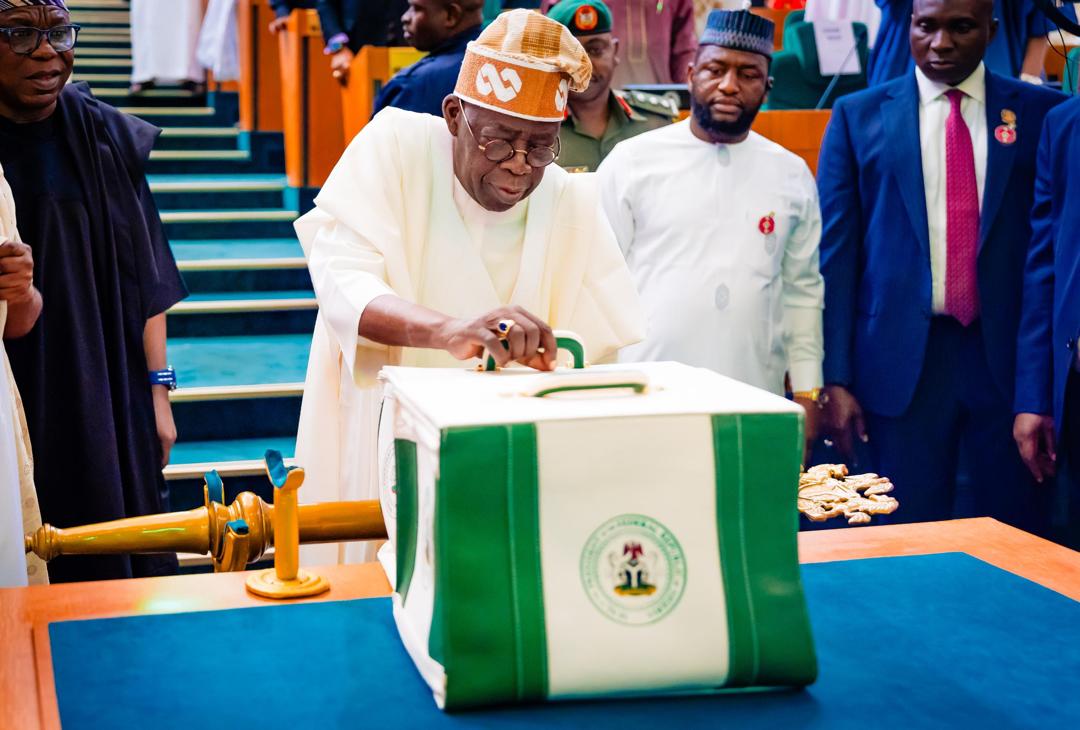
Nigeria’s Federal Government has come under renewed scrutiny over its fiscal planning after indicating that President Bola Tinubu will present the 2027 budget proposal to the National Assembly before the end of December, despite an earlier commitment to submit it in September.
The development has raised concerns about the government’s commitment to restoring a predictable January-to-December budget cycle, as previous appropriations remain under implementation alongside newer spending plans.
In an editorial published on Monday, November 9, 2026, concerns were raised over the persistent delays in budget preparation, poor capital expenditure implementation and the continued extension of previous budgets.
The Federal Government had earlier indicated that it intended to submit the 2027 Appropriation Bill in September. A September 4 budget circular also disclosed that the draft 2027–2029 Medium-Term Expenditure Framework and Fiscal Strategy Paper had been concluded in July to facilitate the process.
However, Minister of State for Budget and Economic Planning, Doris Uzoka-Anite, subsequently announced that the President intended to present the proposal before the end of 2026.
The delay has heightened concerns about whether lawmakers will have sufficient time to scrutinise the spending plan, assess revenue projections and make necessary adjustments before the new fiscal year begins.
Another major concern is the continued overlap of budget cycles. The 2025 capital budget has been extended until December 31, 2026, while the 2026 budget is also being implemented.
The situation has raised questions about the government’s capacity to complete projects within approved timelines and ensure that public spending translates into tangible improvements in infrastructure and essential services.
Nigeria’s capital expenditure performance has also attracted criticism. Figures cited in the editorial from the World Bank indicated that Federal Government capital expenditure fell from approximately ₦4.99 trillion in 2024 to ₦4.46 trillion in 2025.
Meanwhile, the country continues to face significant infrastructure gaps in transportation, healthcare, education, electricity and water supply.
The growing fiscal pressure is further compounded by substantial debt obligations. The 2026 budget projected debt servicing at approximately ₦15.91 trillion, alongside a deficit of about ₦20.1 trillion.
These figures have intensified calls for more realistic revenue forecasts, stronger financial discipline and improved implementation of approved spending plans.
The editorial also criticised the National Assembly over its oversight responsibilities, arguing that repeated budget extensions and questionable project insertions undermine transparency and accountability.
It urged the Federal Government to restore a predictable budget calendar, eliminate unnecessary expenditure, improve procurement procedures and ensure that projects included in capital budgets are properly assessed and capable of completion.
The government was also urged to strengthen monitoring mechanisms and hold officials accountable for delays in budget preparation and implementation.
As preparations for the 2027 fiscal year continue, the central question remains whether the administration can break away from the pattern of delayed budgets and unfinished projects to deliver a more disciplined and transparent fiscal system.
#2027Budget #Tinubu #NigeriaEconomy #NationalAssembly #BudgetImplementation #FiscalDiscipline #NigeriaPolitics #NigeriaNews