
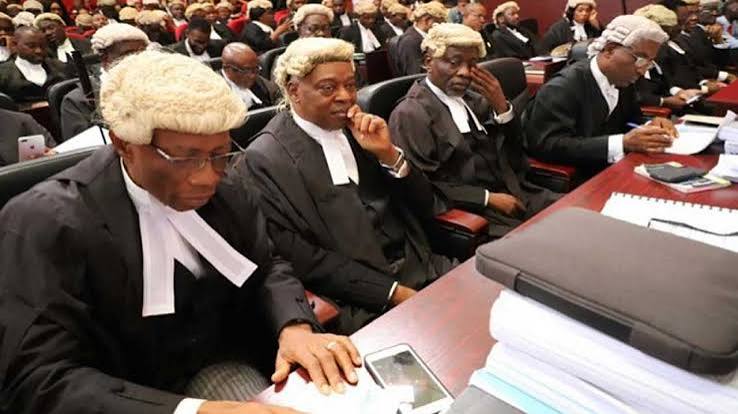
A total of 375 judges have been inaugurated to serve on election petition tribunals ahead of Nigeria’s 2027 general elections, as the judiciary prepares to resolve disputes that may arise from the electoral process.
The inauguration took place on Monday at the Body of Benchers Complex in Abuja, with the judges expected to handle petitions arising from National Assembly, State Houses of Assembly and governorship elections.
President of the Court of Appeal, Justice Monica Dongban-Mensem, said the exercise represented an important step towards safeguarding constitutional democracy, the rule of law and the integrity of the electoral process.
She stressed that credible elections require not only the proper conduct of voting but also an impartial and effective judicial system capable of resolving disputes fairly and within the time prescribed by law.
According to her, the judiciary plays a vital role in protecting the mandate of voters, upholding the Constitution and maintaining public confidence in democratic governance.
237 Judges Join Tribunal Panel for the First Time
Dongban-Mensem disclosed that the 375 judges were nominated from various courts and judicial institutions across the country.
Of the total number, 138 have previously served on election tribunals, while 237 are newly nominated members.
The mix of experienced and newly appointed judges is expected to support the adjudication of election-related disputes following the 2027 polls.
The Court of Appeal president urged the judges to approach their responsibilities with diligence, impartiality and a strong commitment to justice, noting that their decisions and conduct would attract considerable public scrutiny.
Judiciary Faces Crucial Test Ahead of 2027 Polls
The inauguration comes as political parties and candidates prepare for the 2027 elections, with election tribunals expected to play a central role in resolving disputes over electoral outcomes.
Under Section 285 of the 1999 Constitution, as amended, the President of the Court of Appeal is responsible for constituting election petition tribunals to hear disputes arising from National and State Houses of Assembly elections, as well as governorship polls.
The Electoral Act 2026 also provides timelines for establishing the tribunals and opening their registries.
The courts are expected to ensure that petitions are determined in accordance with the law and within the applicable statutory deadlines.
As political competition intensifies, the impartiality of tribunal judges will be critical to ensuring that electoral disputes are resolved through lawful processes rather than prolonged political confrontation.
The judiciary’s handling of the cases is also likely to influence public confidence in the electoral system and the acceptance of election outcomes across the country.
#2027Elections #ElectionTribunals #NigerianJudiciary #MonicaDongbanMensem #NigeriaPolitics #RuleOfLaw #ElectionPetitions #BreakingNews #OnPointGistNews24