








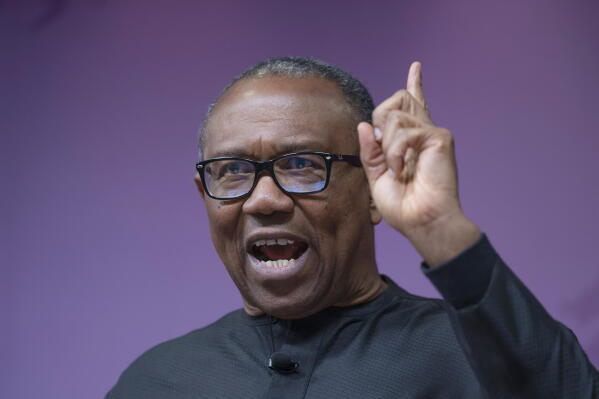
Presidential candidate of the Nigeria Democratic Congress, Peter Obi, has pledged to reduce the cost of governance and intensify the fight against corruption if elected president in the 2027 general election.
Obi said tackling government waste and corruption would create more resources for addressing Nigeria’s cost-of-living crisis and improving the welfare of citizens.
The former Anambra State governor made the remarks in an interview with the Agent France-Presse in Abuja as political parties intensify preparations for the 2027 elections, with the economy and insecurity expected to dominate the campaign.
According to Obi, reducing the cost of running government would enable the administration to redirect resources to critical sectors, particularly healthcare, education and poverty reduction.
“We need to cut the cost of governance,” Obi said, stressing that corruption must also be confronted as part of efforts to improve the country’s economic situation.
He argued that Nigeria could make significant progress if public resources were channeled into areas capable of directly improving citizens’ living conditions.
Obi also identified national security and unity as important components of his proposed approach to governance, saying the country must secure its people and unite its citizens while prioritizing the effective use of available resources.
“You unite the country, secure the country, and put your resources in these critical areas. And you will see the difference,” he said.
The former governor is campaigning on the promise of addressing the economic difficulties facing Nigerians, particularly the rising cost of living and pressure on household incomes.
His position comes as presidential contenders begin to outline their programs ahead of the 2027 election, with economic management, security, corruption and the efficiency of government expected to feature prominently in the political debate.
Obi’s proposal to reduce the cost of governance reflects a long-standing argument among critics of Nigeria’s public-sector structure that excessive government expenditure limits the resources available for development.
However, implementing such reforms would require significant changes to government spending, public institutions and the management of national resources.
Nigeria has also struggled with corruption across different levels of government and public institutions over several decades, making the effectiveness of any anti-corruption program dependent on enforcement, institutional reforms and political commitment.
As the 2027 campaign gathers momentum, Obi is expected to face questions over how his proposed reductions in governance costs would be achieved and the specific measures his administration would adopt to tackle corruption, improve security and ease economic hardship.
For now, his message centers on a more efficient government, stronger accountability and a greater allocation of public resources to sectors he considers critical to improving the lives of Nigerians.