

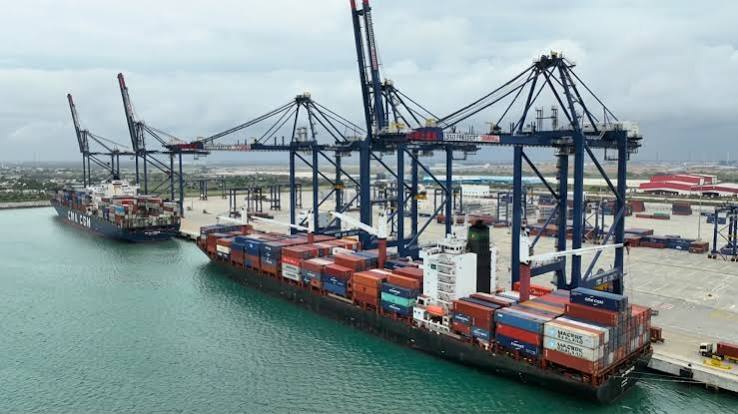
Nigeria’s plan to diversify its port infrastructure could reshape the country’s maritime economy, but the success of the initiative will depend on what happens beyond the coastline.
The Federal Government has approved the comprehensive modernization of Onne, Delta and Calabar ports, alongside plans for six new deep seaports in Ibom, Bakassi, Agge, Gateway, Ondo and Bonny.
The initiative is aimed at reducing Nigeria’s long-standing dependence on Lagos ports, which have handled a disproportionate share of the country’s maritime traffic for years.
Reducing pressure on Lagos
For importers, exporters, manufacturers, transport operators and consumers, the concentration of cargo around Lagos has contributed to congestion, delays and increased logistics costs.
The under-utilization of ports in the eastern and southern parts of the country has also meant that businesses located far from Lagos often have to bear additional transportation expenses to move goods from the nation’s main maritime gateway.
A more balanced port network could bring cargo closer to businesses and consumers while reducing pressure on Lagos.
It could also encourage competition among ports, attract more shipping lines and create opportunities for businesses involved in logistics, warehousing, manufacturing and transportation.
Eight coastal states could benefit
If the Federal Government’s plans are properly implemented, the country could have functional maritime gateways spread across all eight littoral states — Lagos, Ogun, Ondo, Delta, Bayelsa, Rivers, Akwa Ibom and Cross River.
Such geographical spread could help stimulate economic activity beyond Lagos and create new commercial corridors across different parts of the country.
The development could also support agricultural and mineral exports, strengthen manufacturing and generate additional revenue for government.
Beyond the economic benefits, a more geographically distributed port system could help reduce the concentration of economic opportunities in one part of the country.
Inland ports are equally important
However, simply building or upgrading seaports will not be enough.
Nigeria also needs an efficient network of inland ports and transport corridors linking maritime gateways to businesses and consumers across the country.
Proposed facilities such as Azumini Port in Abia and Onitsha Port in Anambra, as well as potential inland gateways around Lokoja, Makurdi and Baro, could become important components of this wider network.
For these facilities to work effectively, they must be connected to seaports through reliable railways, roads and waterways.
Digital customs systems, modern cargo-handling equipment, dredged channels and dependable port operations will also be essential.
Implementation is the real test
Nigeria has no shortage of ambitious infrastructure announcements. The bigger challenge has often been turning approvals into completed projects that actually serve the public.
The Federal Government must therefore ensure that the approved port projects do not remain on paper.
The Minister of Marine and Blue Economy, Adegboyega Oyetola, has spoken about the importance of connectivity within Nigeria’s maritime development strategy. That vision will only become meaningful when the necessary infrastructure is delivered and properly maintained.
Lagos should remain an important maritime hub, but the country should no longer depend excessively on it simply because alternative ports have been neglected.
A chance to build a stronger economy
Port diversification offers Nigeria an opportunity to create a more connected and competitive economy.
If properly executed, the programme could reduce logistics costs, create jobs, encourage investment, expand trade and allow businesses across more regions to participate directly in international commerce.
But achieving those gains will require sustained funding, coordination between the Federal Government and states, private-sector participation and, most importantly, consistent execution.
Nigeria does not merely need more ports.
It needs a connected maritime network that allows the benefits of those ports to reach businesses and communities across the country.