The Independent National Electoral Commission (INEC) has announced that its staff will now operate under a separate salary structure, breaking away from the general civil service payment system.
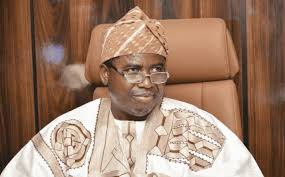
INEC Chairman, Professor Joash Ojo Amupitan, disclosed this on Tuesday, October 6, 2026, during a press conference and national stakeholders’ meeting in Abuja on preparations for the 2027 general elections.
Amupitan said the decision was aimed at improving the welfare of INEC personnel and ensuring that staff receive what he described as a living wage.
According to the INEC chairman, the commission’s workers have historically been among the lowest-paid in the country, making improved remuneration necessary if the commission is to demand greater accountability from its personnel.
He said INEC is not a core civil service institution but had previously been placed under the civil service payment structure.
“We are not called civil servants, but we have been lumped under the civil service payment structure, which we have just removed INEC from, to have its own separate electoral structure and a separate salary structure from the civil service,” Amupitan said.
The chairman described the change as one of several steps being taken to address gaps within the electoral system and improve the commission’s operations ahead of the 2027 elections.
Reports indicate that the new remuneration framework is the Consolidated Election Management Body Salary Structure (CEMBSS), which took effect from January 1, 2026. The Revenue Mobilisation Allocation and Fiscal Commission has also been reported to be working with INEC on implementing the approved remuneration package.
Amupitan said better welfare would help create the conditions necessary for INEC employees to carry out their responsibilities effectively, particularly as preparations intensify for the next general elections.
The announcement comes as INEC continues preparations for the 2027 polls, with the commission also recently releasing updated voter-registration figures and outlining plans for the collection of Permanent Voter Cards and display of the voters’ register.