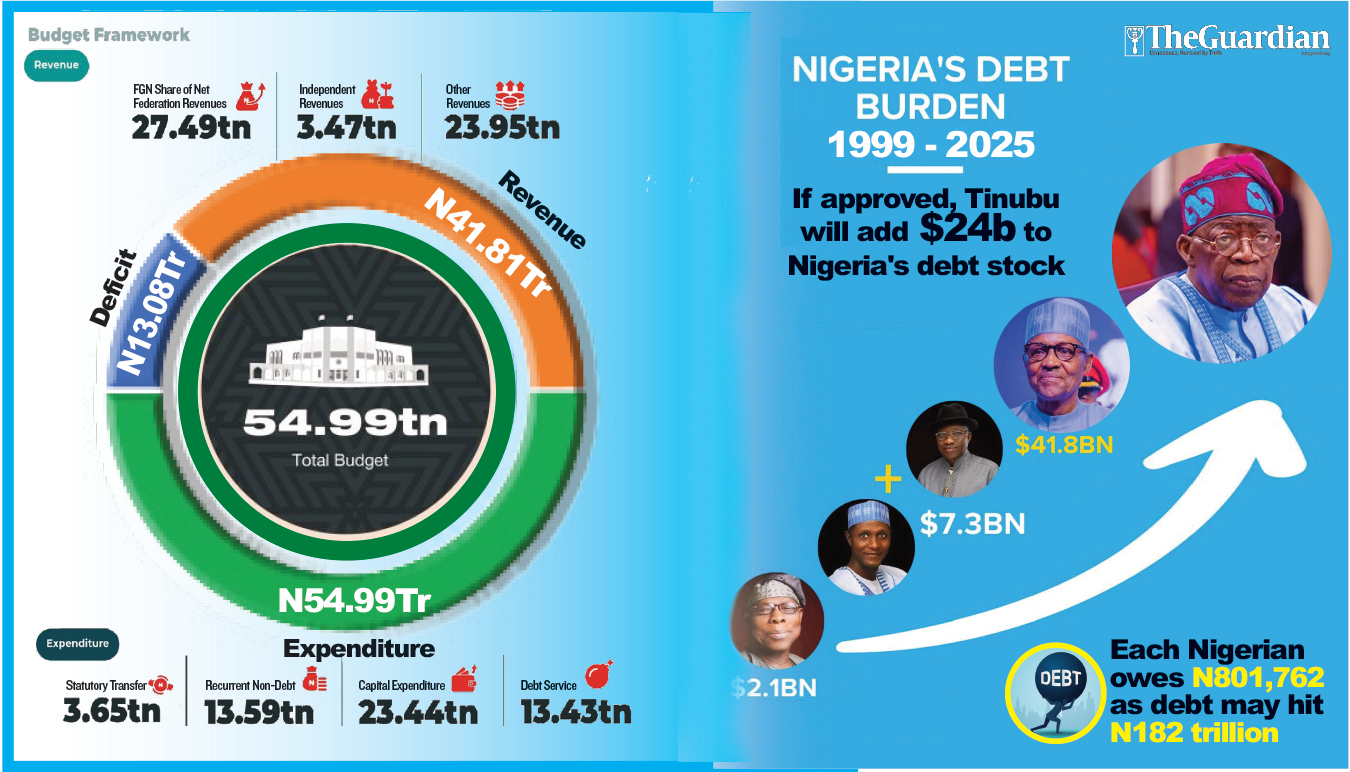
Veteran columnist Dele Sobowale has warned that Nigeria’s rising public debt could place a heavy burden on future generations, questioning whether the Federal Government is borrowing responsibly and investing the funds in projects capable of generating sufficient economic returns.
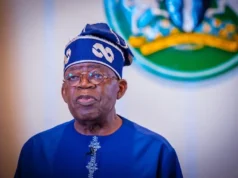
In his latest commentary, Sobowale criticised President Bola Tinubu’s request for fresh external loans worth approximately $20.5 billion and €1.04 billion, arguing that the country’s growing debt obligations are becoming increasingly difficult to sustain.
He estimated that Nigeria’s total debt burden could rise substantially if the proposed loans are approved and drawn down, potentially exceeding ₦200 trillion by 2027.
The columnist’s warning centres on a critical question: whether the benefits of government borrowing will be sufficient to justify the financial obligations being passed on to future administrations and generations.
Sobowale Questions Nigeria’s Growing Dependence on Loans
Sobowale traced Nigeria’s borrowing history across successive administrations, arguing that the country’s debt has grown considerably over the decades.
He estimated that the national debt stood at about ₦100 trillion when former President Muhammadu Buhari left office and put the current burden at approximately ₦160 trillion.
According to his calculations, the proposed new borrowing could add another ₦29.4 trillion to the country’s obligations, pushing the total towards ₦189.4 trillion by December if the loans are approved and fully taken up.
He further argued that additional borrowing before the 2027 presidential transition could push the figure beyond ₦200 trillion.
These figures represent Sobowale’s estimates and projections, rather than a confirmed official debt balance for a future date.
Revenue Shortfalls Raise Fresh Concerns
The columnist also questioned the government’s ability to service its growing debt, pointing to reports that the Federal Government had missed its revenue target for the first 10 months of 2026 by ₦20.7 trillion.
He argued that the combination of revenue shortfalls and rising debt-servicing obligations could leave the government increasingly dependent on fresh loans to meet existing commitments.
Sobowale maintained that borrowing becomes particularly concerning when government revenue is insufficient to cover expenditure and repay maturing obligations without refinancing.
He called for stronger revenue generation, more disciplined public spending and improved fiscal management, warning that persistent dependence on loans could expose the economy to serious financial pressure.
‘It Is Not Enough to Build Roads’
Responding to Tinubu’s argument that the real measure of borrowing should be what the country builds with the money, Sobowale acknowledged the importance of infrastructure investment but insisted that projects must also demonstrate economic value.
He questioned whether expensive infrastructure projects would necessarily generate enough revenue, employment and wider economic benefits to justify their costs.
The columnist cited previously abandoned projects and struggling public enterprises as examples of why the commencement or completion of a project does not automatically guarantee financial success.
He argued that roads, airports and other infrastructure must be assessed not only by their physical presence but also by their long-term usefulness, economic viability and ability to support national development.
Sobowale also expressed concern over delays in budget implementation, arguing that weak execution of capital projects could undermine the benefits expected from government borrowing.
Questions Over How Borrowed Funds Are Used
The columnist’s most pressing concern was whether new loans would be spent on the projects for which they were approved.
He questioned what the administration had delivered with the funds already borrowed and argued that Nigerians deserved greater transparency over public debt and project implementation.
His position is that borrowing should be accompanied by clear project disclosures, effective oversight and measurable results that demonstrate value for money.
The debate over Nigeria’s debt has intensified following the Federal Government’s request for fresh external financing, with supporters of infrastructure-led borrowing arguing that loans can accelerate development when properly invested.
However, critics insist that borrowing without strong revenue growth, transparent spending and economically viable projects could leave the country with mounting repayment obligations and limited benefits.
For Sobowale, the central issue is not simply how much Nigeria borrows, but whether the money is invested wisely enough to strengthen the economy and protect future generations from an unsustainable debt burden.
#NigeriaDebt #DeleSobowale #Tinubu #NigeriaEconomy #PublicDebt #ExternalLoans #EconomicReforms #NationalDevelopment #OnPointGistNews24