








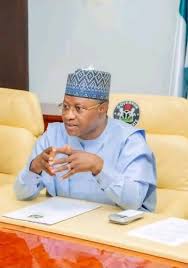
Kaduna State Governor Uba Sani has unveiled a series of initiatives that point to a three-pronged approach to governance, combining institutional support, stronger traditional leadership and direct investment in young innovators.
Within a few days, the governor announced the distribution of CNG-powered buses to key professional and public institutions, approved improved remuneration and security allowances for traditional rulers, and awarded N3 million each to selected young innovators in the state.
The initiatives, when viewed together, suggest an administration seeking to strengthen institutions that play different roles in Kaduna’s social and economic life while directing resources towards groups considered critical to the state’s development.
Buses for Key Institutions
The first initiative focused on mobility.
On September 1, Sani presented CNG-powered buses to the Kaduna chapters and branches of the Nigerian Medical Association, Nigerian Bar Association and Nigeria Union of Journalists, as well as the Nigerian Correctional Service and Kaduna State University.
The beneficiaries represent sectors including healthcare, law, journalism, correctional services and higher education.
Sani described the institutions as indispensable to society, presenting the vehicles as practical support for their operations and service delivery.
The gesture also reflects the administration’s broader interest in working with professional and public institutions rather than treating government as the sole driver of development.
Supporting Traditional Institutions
The second strand of the strategy targets Kaduna’s traditional institutions.
Effective from September 1, the governor approved a revised salary and allowance structure for emirs, chiefs, district heads and village heads across the state’s three senatorial districts.
The package also includes monthly security allowances for all 35 emirates and chiefdoms.
The move places traditional rulers at the centre of the administration’s grassroots governance strategy, particularly given their influence within local communities and their potential role in maintaining peace and supporting security efforts.
The policy is also aimed at strengthening the capacity of traditional institutions to participate more effectively in community affairs.
Betting on Young Talent
The third component of the strategy is focused on innovation and entrepreneurship.
The governor directed financial support to young innovators, with N3 million awarded directly to each of the state’s top young talents.
The initiative is designed to encourage innovation and provide promising young people with resources to develop their ideas rather than leaving them without the capital needed to move from concepts to practical ventures.
It also fits into the administration’s emphasis on creating opportunities for young people who will ultimately drive Kaduna’s economic future.
A Broader Governance Pattern
Taken together, the three initiatives reveal a governance model built around three different constituencies: institutions that provide essential services, traditional authorities that remain influential at the grassroots, and young people whose skills and innovations could contribute to future economic growth.
The approach comes against the backdrop of Kaduna’s N985.9 billion 2026 “Budget of Consolidation”, which provides the broader fiscal framework for the administration’s programmes.
Rather than concentrating solely on physical infrastructure, the latest initiatives indicate an attempt to spread government intervention across institutional capacity, community leadership and human capital development.
The effectiveness of the strategy, however, will ultimately depend on whether these interventions produce measurable improvements beyond the immediate announcements.
For the professional bodies receiving buses, the test will be whether the vehicles improve operational capacity and service delivery. For traditional institutions, the impact will be measured partly by their contribution to peace and security. For young innovators, the key question will be whether the financial support translates into sustainable businesses, jobs and new solutions.
For now, Governor Sani’s latest initiatives present a three-way governance strategy: strengthen the institutions that keep society functioning, empower traditional structures that remain important at the grassroots, and invest in young Nigerians who represent Kaduna’s future.