













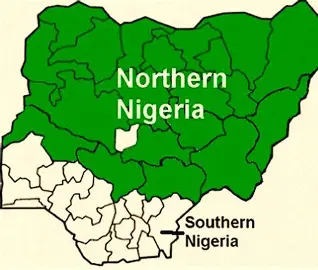
Kidnapping for ransom has increasingly become a lucrative criminal enterprise in Nigeria, with families across the northern part of the country often forced to raise huge sums of money to secure the release of relatives held captive.
A recent report by SBM Intelligence revealed that 7,825 people were abducted in 1,713 kidnapping and related incidents between July 2025 and June 2026, while at least 1,142 people were reported killed during the period.
The report, titled “The Capture of the Kidnap Economy”, also found that Nigerians paid approximately N7.8 billion in ransom within the 12-month period.
The figures highlight how kidnapping has developed into a major source of income for criminal groups, particularly in northern Nigeria, where mass abductions have become increasingly common.
According to the report, ransom demands actually declined from N48 billion to N22.9 billion during the period under review. However, the amount eventually paid increased significantly, rising from N2.56 billion to N7.78 billion.
The report attributed 90 per cent of the ransom paid to the Jama’atu Ahlis Sunna Lidda’awati Wal-Jihad faction of Boko Haram, which reportedly collected about N7 billion from only eight incidents.
Two major mass abductions accounted for most of that money. The report linked N5 billion to the abduction of 416 people in Ngoshe, Borno State, while another N2 billion was reportedly paid following the abduction of 315 pupils and staff of St Mary’s School in Papiri, Niger State.
The North-West recorded the highest concentration of kidnapping incidents and victims. Zamfara alone recorded 236 incidents involving 1,921 victims, while the northern region accounted for 93.7 per cent of all reported abductions during the period.
Families bearing the financial burden
For families of victims, ransom negotiations often mean exhausting savings, selling property, borrowing money or relying on contributions from relatives and members of their communities.
In many cases, families are left with little choice but to negotiate with abductors because the lives of their loved ones are at stake.
Security experts have warned, however, that these payments create a cycle that makes kidnapping increasingly attractive to criminal groups.
Security consultant Lawrence Alobi said ransom payments provide kidnappers with the financial capacity to purchase weapons and strengthen their operations.
He argued that the huge sums paid by families ultimately empower the same criminal networks that continue to terrorise communities.
The SBM report also found that ransom payments do not always guarantee the safe release of victims. In at least six incidents reviewed, hostages were reportedly killed even after ransom had been paid.
Kidnappers have also increasingly demanded goods and other items, including motorcycles, mobile phones, food and fuel, particularly where victims’ families have limited access to large amounts of cash.
Mass abductions deepen the crisis
Mass kidnapping has emerged as one of the most common methods used by criminal groups.
Zamfara recorded 92 mass-abduction incidents during the period covered by the SBM report, followed by Sokoto with 76.
The resurgence of school kidnappings has also raised concern because of its wider impact on education, farming and public confidence.
The financial dimension of the crisis has prompted calls for authorities to target not only the kidnappers themselves but also the financial networks that allow ransom money to be collected, transferred and converted into resources for criminal operations.
The SBM Intelligence report warned that without a coordinated strategy to reduce the profitability of kidnapping while addressing the economic conditions that help criminal groups recruit new members, Nigeria risks allowing kidnapping to become a permanent funding mechanism for violent organisations.
As security agencies continue efforts to combat abductions, the growing ransom economy remains one of the biggest challenges facing communities and families affected by kidnapping across northern Nigeria.