












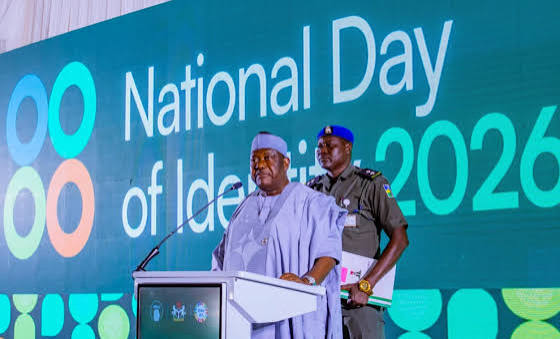
The Secretary to the Government of the Federation, George Akume, has said Nigeria’s expanding digital identity system will strengthen the country’s participation in Africa’s emerging digital economy.
Akume made the remarks while speaking on the importance of digital identification and its role in supporting economic integration, access to services and cross-border digital transactions.
The SGF said a reliable digital identity framework could help Nigerians gain easier access to financial services, public programmes and other digital opportunities while also improving the ability of government institutions to deliver services efficiently.
He noted that digital identity was increasingly becoming an important component of modern economies, particularly as African countries deepen digital cooperation and expand technology-driven commerce.
According to Akume, strengthening Nigeria’s digital identity infrastructure would support greater inclusion by helping individuals establish verifiable identities when accessing government and private-sector services.
He also linked the development of a stronger digital identity system to Nigeria’s wider economic transformation efforts, saying digital infrastructure would be important to the country’s ability to participate effectively in Africa’s growing technology ecosystem.
Digital identity and economic inclusion
A comprehensive digital identity system can provide a reliable means of verifying individuals when they access financial, telecommunications, healthcare and government services.
For Nigeria, the expansion of digital identification is also relevant to efforts to improve financial inclusion and ensure that public interventions reach intended beneficiaries.
Akume said the government would continue to support initiatives aimed at strengthening digital infrastructure and creating an environment where more Nigerians could participate in the digital economy.
He stressed the importance of ensuring that technological development translates into practical benefits for citizens rather than remaining limited to infrastructure and technical systems.
Nigeria’s place in Africa’s digital economy
The SGF’s comments come as African countries increasingly explore digital systems capable of facilitating commerce, identification and access to services across national borders.
Nigeria, as Africa’s most populous country and one of the continent’s largest economies, has a significant role to play in the development of the continent’s digital ecosystem.
Akume said stronger digital identity infrastructure would help position Nigerians to take advantage of emerging opportunities as digital services and cross-border economic activities continue to expand.
He added that cooperation between government agencies, businesses and technology stakeholders would be necessary to maximize the benefits of digital transformation.
The Federal Government has continued to promote digitalization as part of its broader economic reform agenda, with digital identity expected to remain an important component of efforts to improve access to services and strengthen the country’s digital economy.