












The ongoing rehabilitation of Kara Bridge on the Lagos-Ibadan Expressway has triggered severe traffic congestion across parts of Lagos and Ogun states, leaving motorists and commuters stranded for hours and pushing transport fares sharply higher.
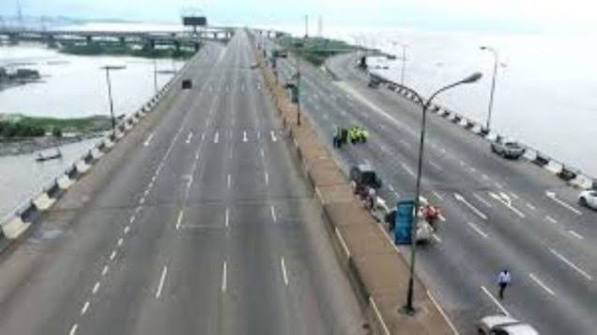
The gridlock, which intensified around the Lagos-Ogun border, spread to adjoining routes, including Alapere, Ikorodu Road and areas around the Third Mainland Bridge. The road section between 7Up and Berger was particularly affected, with traffic at several points coming to a standstill.
The disruption has also affected the availability and cost of commercial transportation. Some commuters reported fare increases of more than 200 per cent on certain routes as transport operators struggled to navigate the congested corridor.
Some motorists reportedly spent as much as six hours in traffic, with queues stretching for more than 20 kilometres. Other commuters abandoned vehicles or trekked long distances in attempts to reach their destinations.
Accident worsens traffic situation
The already difficult situation was further aggravated by a truck accident around the Otedola area and a rainstorm that affected the corridor.
The truck incident added another obstruction to a road network already operating with reduced capacity because of the bridge rehabilitation. Emergency and traffic management agencies subsequently worked to remove the affected vehicles and restore movement.
The Kara Bridge rehabilitation involves the replacement of deteriorating expansion joints. The Federal Government said the work is necessary to improve the safety and structural condition of the bridge.
The two-week project commenced on September 8 and was originally scheduled to run until September 22, with traffic being managed in phases as sections of the bridge are worked on.
Lagos, Ogun step up traffic control
In response to the worsening congestion, the Lagos and Ogun State governments have established a joint enforcement operation involving the police, Federal Road Safety Corps, LASTMA, TRACE and other relevant agencies.
Lagos Commissioner for Transportation Oluwaseun Osiyemi said more than 100 traffic and security personnel had been deployed along the corridor, alongside tow trucks to remove broken-down vehicles and other obstructions.
He also attributed part of the congestion to motorists driving against traffic, saying the practice had further complicated efforts to restore normal movement.
The Ogun State Government also appealed to motorists to remain patient and comply with traffic regulations while the final phase of the bridge rehabilitation is completed.
Motorists advised to use alternative routes
The FRSC and other traffic agencies have advised motorists who do not have urgent reasons to use the Lagos-Ibadan Expressway to consider alternative routes during peak periods.
Suggested alternatives include the Ikorodu-Ogijo-Simawa corridor, the old Abeokuta route and other connecting roads depending on motorists’ destinations.
Authorities have also urged motorists to avoid illegal diversions and driving against traffic, warning that such actions could further worsen congestion and increase the risk of crashes.
The latest disruption has renewed concerns over the vulnerability of the Lagos-Ibadan Expressway, one of the country’s busiest transport corridors, particularly when construction works, accidents or vehicle breakdowns occur simultaneously.
Officials say the bridge repairs are expected to be completed within the scheduled period, after which the affected section will undergo a short curing period before being fully reopened to traffic.