
The Federal Government’s 2026 capital budget could face another delay in implementation as the administration continues to grapple with outstanding capital projects and funding obligations from previous years.
A report by Vanguard indicates that a substantial portion of the 2024 and 2025 capital budgets remains unimplemented, raising concerns that the 2026 allocation could be rolled over into another fiscal year. A senior official of the Budget Office of the Federation reportedly described another rollover as a normal possibility.
About N16.8 trillion in capital expenditure from the 2024 and 2025 budgets had previously been carried into the 2026 fiscal year. The extension, which was initially approved until June 2026, was later extended to September 30 after significant portions remained unexecuted.
The outstanding obligations account for more than half of the N32.3 trillion capital budget for 2026. According to the report, this has left approximately N15.5 trillion earmarked for new 2026 capital projects potentially constrained by the unresolved commitments from earlier budgets.
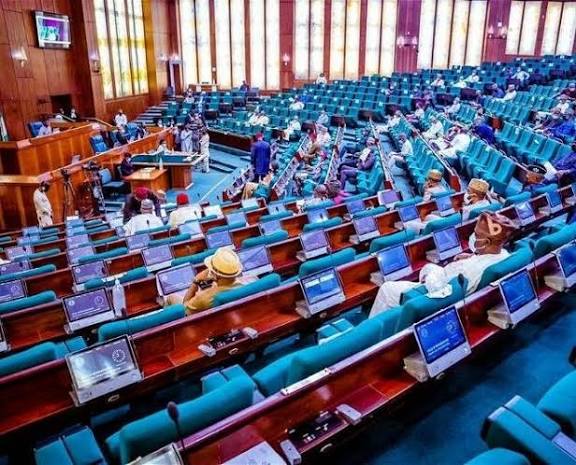
The situation has also been highlighted during National Assembly budget oversight proceedings. The House Committee on Appropriations previously disclosed that N16.765 trillion had been carried forward because of funding constraints, with lawmakers seeking explanations from key officials responsible for finance and budget implementation.
Further concerns emerged during the 2026 budget process, when the Federal Government’s N68.323 trillion budget included about N32 trillion for capital expenditure. Part of the allocation was intended to address outstanding obligations and payments for projects inherited from previous fiscal years.
Implementation problems have been reported across several ministries. During a 2026 budget defense session, for instance, the Minister of Health, Muhammad Ali Pate, told lawmakers that only N36 million had been released from the ministry’s N218 billion 2025 capital allocation.
Similar shortfalls were reported across other sectors, with data reviewed by the House showing that only N9.13 billion had been released from a combined capital allocation of about N1.218 trillion across eight ministries.
Government officials have attributed the delays to several factors, including cash-management arrangements, revenue constraints, procurement delays and difficulties in meeting counterpart funding obligations.
The House of Representatives subsequently approved an extension of the implementation period for outstanding capital projects, allowing the 2025 capital budget to run until September 30, 2026.
The repeated extensions have raised concerns about the effectiveness of the annual budgeting process, particularly where new appropriations continue to accommodate unfinished obligations from previous years.
If the outstanding projects are not substantially cleared before the end of the current implementation period, the 2026 capital budget could face another rollover, further delaying the execution of newly approved infrastructure and development projects.