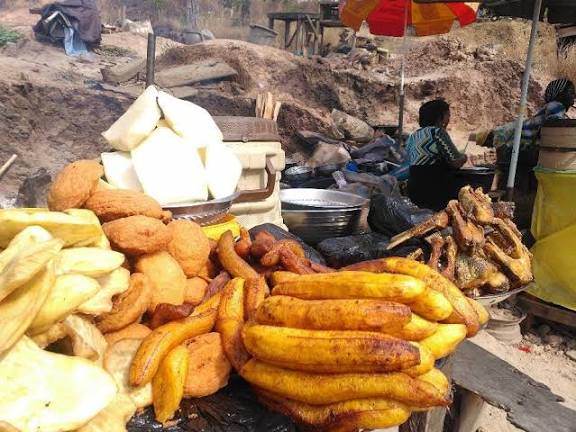
The rising cost of living is forcing roadside food vendors across Nigeria to reduce meal portions even as prices continue to climb, leaving low-income earners struggling to afford filling meals.
The economic pressure has affected popular roadside eateries, commonly known as “buka” or “mama put”, which have traditionally provided affordable meals for artisans, traders and other workers.
With food ingredients, transportation and cooking costs rising, vendors say they are being forced to adjust the quantity of food they serve to remain in business.
For many customers, however, the changes mean paying more for meals that no longer keep them satisfied.
Workers Struggle to Afford Everyday Meals
Emmanuel Osarumwense, a structural technician, said a meal that previously cost ₦1,000 and kept him full now costs ₦1,500, yet he still leaves the table hungry.
“We are no longer eating to enjoy; we are eating so we don’t collapse,” he lamented.
Similarly, Sunday Agbonkhese, a bricklayer, said the money he once spent on bread and beans could no longer provide a satisfying meal.
He explained that a meal that previously cost about ₦700 could now require as much as ₦3,000 to provide enough food to feel full.
The financial strain has forced some workers to reduce the number of meals they eat daily in an attempt to manage their limited earnings.
Food Vendors Face Rising Operating Costs
Food sellers say they are also struggling to cope with the rising cost of ingredients and other business expenses.
Kudirat Adeyemi, a canteen operator who has been in business for more than 12 years, explained that maintaining the same portion of rice and beef she previously sold for ₦800 would now require a price of about ₦2,000.
However, because many of her customers cannot afford the increase, she has reduced the portion size and sells the meal for ₦1,200.
She also disclosed that her daily rice consumption had fallen from about 25kg to approximately 5kg as customer demand weakened.
Food truck operator Musa Ibrahim said the frequent changes in market prices had made it difficult for vendors to plan their businesses. He noted that a basket of pepper that cost ₦25,000 one week could rise to ₦35,000 the following week.
According to vendors, reducing portions has become a survival strategy rather than a deliberate attempt to exploit customers.
Cost-of-Living Crisis Changes Eating Habits
The situation reflects the wider economic challenges facing Nigerian households, as rising prices continue to weaken purchasing power.
The removal of fuel subsidies, currency depreciation and higher transportation costs have contributed to the pressure on food businesses and consumers.
Some vendors have reportedly shut down because they lack the capital needed to restock their shops, while those still operating are trying to balance affordability with the cost of preparing meals.
For many Nigerians, the impact is increasingly visible in everyday choices: spending less on food, eating fewer meals or accepting smaller portions at higher prices.
Until the cost of food production and distribution becomes more manageable, both roadside vendors and their customers are likely to remain caught between rising expenses and shrinking incomes.
#CostOfLiving #FoodPrices #NigeriaEconomy #Inflation #FoodVendors #EconomicHardship #NigeriaNews #OnPointGist