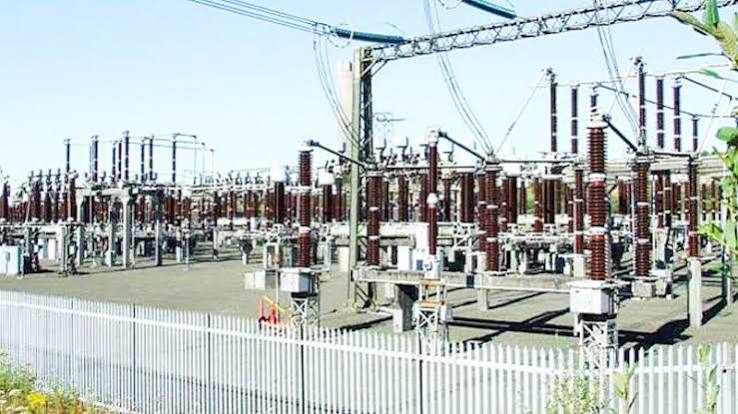
Nigeria experienced a sharp drop in electricity generation on Monday, October 19, after power supply to the national grid plunged by 81.5 per cent to 675 megawatts (MW), leaving homes and businesses facing reduced electricity supply.
The decline occurred within an hour, with generation falling from 3,647MW at noon to 675MW by 1pm, according to data from the Nigerian Independent System Operator (NISO).
The development followed a sudden reduction in the number of power plants supplying electricity to the national grid. Several major generating stations, including Azura, Egbin, Jebba and Kainji, were among those reported to have gone offline during the incident.
The country had recorded stronger generation levels earlier in the day, with output reaching 4,331MW at 1am and 4,458MW by 6am. However, the situation deteriorated around midday, resulting in a loss of approximately 2,972MW within an hour.
Although electricity generation later improved to 2,150MW by 5pm, the recovery remained below the levels recorded earlier in the day.
Discos alert customers to reduced electricity supply
The sudden decline prompted electricity distribution companies to notify customers of supply constraints across their networks.
The Abuja Electricity Distribution Company (AEDC) attributed the disruption to a grid-related technical challenge, explaining that the Transmission Company of Nigeria (TCN) was working to stabilize the system and restore electricity to affected feeders.
The company said supply was gradually being restored and assured customers that efforts were underway to improve distribution as soon as conditions permitted.
Ikeja Electric also reported a reduction in the electricity allocated to its network from the national grid.
The company said it was engaging relevant stakeholders to improve the available supply, adding that the electricity received would be distributed as efficiently and fairly as possible.
The disruption raised concerns among households and businesses already struggling with unreliable electricity, particularly those that depend on public power for daily operations.
NISO says grid stability restored
Following the incident, NISO said it had stabilized the electricity system after multiple trippings occurred on the 330-kilovolt transmission network at approximately 12:40pm on October 19.
The operator explained that it worked with TCN to implement corrective measures and restore normal operations.
It also clarified that the disturbance affected only a section of the grid, disputing claims that the incident amounted to a complete nationwide grid collapse.
However, the sharp reduction in generation highlighted the challenges facing Nigeria’s electricity sector, where disruptions involving generating stations and transmission infrastructure can quickly affect the amount of power available to distribution companies.
Businesses and households face fresh challenges
Electricity disruptions often force businesses to rely more heavily on generators and other alternative power sources, increasing operating expenses at a time when many are already dealing with high fuel and maintenance costs.
Small businesses, manufacturers, cold-storage operators and service providers are particularly vulnerable because interruptions can affect productivity, damage temperature-sensitive goods and reduce operating hours.
Households may also face difficulties with refrigeration, cooling, lighting and other essential activities, while consumers who depend on generators may have to spend more on fuel.
The latest incident has renewed concerns about the reliability of Nigeria’s electricity infrastructure and the need for lasting improvements in power generation, transmission and distribution.
Although the system operator announced that stability had been restored, the pace at which generation returns to adequate levels remains crucial for consumers awaiting more reliable electricity supply.
#NationalGrid #PowerOutage #ElectricitySupply #NigeriaPowerSector #NISO #AEDC #IkejaElectric #NigeriaNews #OnPointGist