Fidelity Bank Plc has fully repaid its $400 million Eurobond, meeting its international debt obligations on schedule in a development that highlights the importance of financial planning and disciplined debt management.
The Nigerian lender completed the repayment on Wednesday, 28 October 2026, when its five-year Eurobond reached maturity.
The bond was originally issued on 28 October 2021, carrying an annual interest rate of 7.625 per cent, with interest payments made every six months.
According to details released by the bank, it met all scheduled interest payments throughout the five-year period before settling the outstanding principal and final interest obligation in full.
HOW DID FIDELITY BANK REPAY THE $400 MILLION?
Rather than relying solely on fresh borrowing at maturity, Fidelity Bank said it funded the repayment through internally generated liquidity.
The bank also established a dedicated sinking fund, allowing it to set aside resources progressively towards the eventual repayment instead of waiting until the debt became due.
This approach enabled the lender to meet its obligation while maintaining normal business operations and complying with applicable regulatory liquidity requirements.
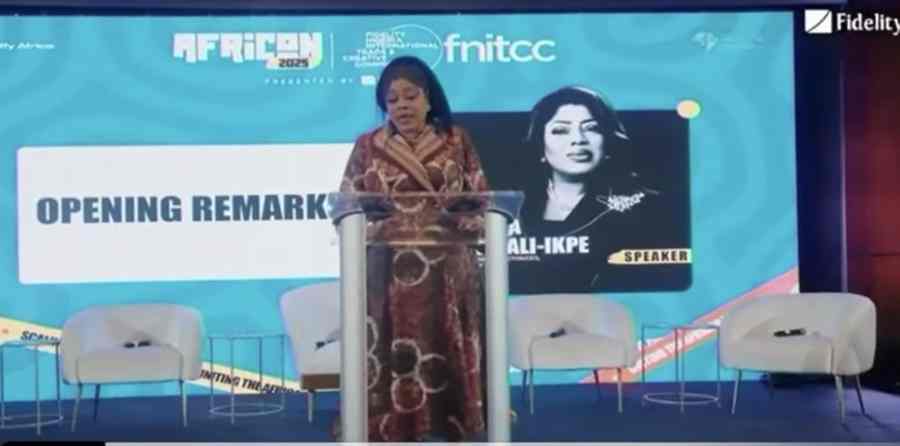
The bank’s Managing Director and Chief Executive Officer, Nneka Onyeali-Ikpe, described the repayment as evidence of the institution’s financial discipline and commitment to honouring its obligations to investors.
A BOOST FOR INVESTOR CONFIDENCE
The successful repayment adds to Fidelity Bank’s record in international debt markets. Its 2021 Eurobond offering reportedly attracted investor orders exceeding $700 million, demonstrating demand for the bank’s international debt instrument.
The development also comes after the bank completed its recapitalisation programme ahead of the regulatory deadline. Its eligible regulatory capital reportedly rose to approximately ₦533 billion, above the ₦500 billion minimum requirement for banks with international authorisation.
However, while the full repayment is a significant financial milestone, its long-term impact will depend on the bank’s ability to maintain adequate liquidity, sustain profitability and continue supporting customers and businesses.
For Nigeria’s banking sector, the transaction offers a practical example of how advance planning can help financial institutions manage major foreign-currency obligations.
What do you think? Does Fidelity Bank’s repayment strengthen your confidence in Nigerian banks, particularly at a time when financial institutions face changing economic conditions?
Share your thoughts in the comments.
#FidelityBank #NigerianBanks #Eurobond #BankingSector #NigerianEconomy #FinanceNews #Investment #BusinessNews #OnPointGistNews24