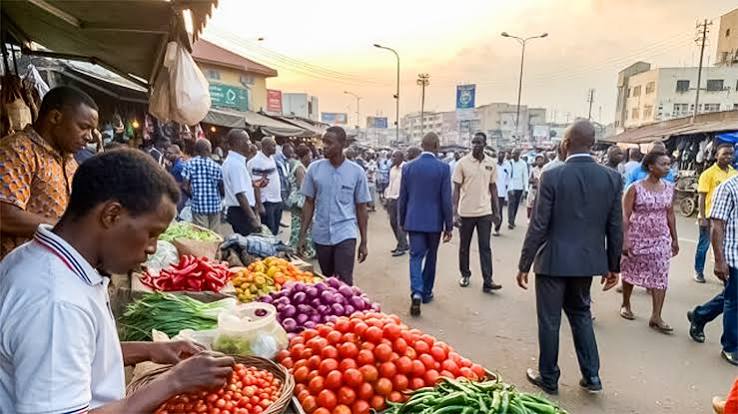
Nigeria’s food supply chain is facing a major infrastructure challenge, with an estimated 11 million tonnes of perishable agricultural produce requiring cold storage annually, while the country has less than 20,000 tonnes of long-term storage capacity.
The huge gap is raising concerns over post-harvest losses, food availability and the continued pressure on prices, as agricultural stakeholders call for increased investment in modern preservation facilities and more sustainable food distribution systems.
The issue was highlighted at the 10th Sustainability Table Series in Lagos, where industry experts examined how cold-chain infrastructure could strengthen Nigeria’s food system and reduce the volume of produce lost between farms and consumers.
Babatunde Niran-Aluko, Managing Director of Mystrose Agro Commodities Limited and NovaChill, said developing cold-storage facilities on a large scale would require substantial long-term investment.
He estimated that establishing the infrastructure could cost at least £600 per tonne of storage capacity, underscoring the financial demands of closing the national deficit.
Using Sokoto State as an example, Niran-Aluko noted that the area produces approximately 400,000 tonnes of onions annually, demonstrating the enormous need for facilities capable of preserving agricultural produce beyond the harvesting season.
He is developing a 20,000-tonne storage facility in Sokoto designed to preserve produce for between eight and 10 months and reduce losses to about five per cent. However, he acknowledged that even this project represents only a small contribution towards the country’s overall requirements.
Niran-Aluko said his long-term ambition was to build capacity reaching 500,000 tonnes, but stressed that achieving meaningful national coverage would require several large-scale operators.
Short-Term Financing Slows Investment
Stakeholders identified inadequate long-term financing as one of the biggest obstacles to expanding Nigeria’s cold-storage infrastructure.
Michael Ojo, Country Director of the Global Alliance for Improved Nutrition, argued that the sector requires patient capital because storage facilities often need years to generate sustainable returns.
He observed that many financial institutions and private investors prioritize short-term returns, making it difficult to fund infrastructure projects whose benefits accumulate over a longer period.
Ojo called for development finance institutions to help create viable investment models capable of attracting funding while supporting food security.
He also urged Nigeria to look beyond increasing agricultural production and address weaknesses throughout the food value chain, including aggregation, transportation, processing, marketing and nutrition.
According to him, strengthening these interconnected systems would help ensure that more food reaches consumers in good condition while supporting healthier diets.
Experts Recommend Solar-Powered Storage Hubs
Princess Kemdi Chika-Okafor, founder of the Century 21 Foundation, advocated decentralized cold-storage facilities powered by solar energy.
She argued that establishing smaller storage hubs close to farming communities, produce aggregation centres and markets would be more effective than concentrating facilities in a few locations.
Such hubs could help farmers and traders preserve their goods closer to where they are produced, reducing the time spent transporting vulnerable crops without adequate temperature control.
Chika-Okafor also proposed pay-as-you-go arrangements to make storage services more affordable for small-scale farmers and traders.
She said partnerships involving non-governmental organizations and public institutions could help provide cheaper financing and encourage wider adoption of the facilities.
Onion Producers Seek Better Handling Facilities
Aliyu Isah, National President of the National Onion Producers, Processors and Marketers Association, said cold storage alone would not solve Nigeria’s post-harvest challenges.
He stressed the need for improved agricultural inputs, including appropriate seed varieties, fertilizers, chemicals, mechanisation and irrigation.
Isah also called for common facilities where produce could be cleaned, sorted, graded and packaged before being transported to markets.
He identified the shortage of sorting machines as a major obstacle preventing some farmers from accessing better markets and securing improved prices for their produce.
Food Security Depends on Better Preservation
The shortage of cold-storage facilities highlights a broader challenge facing Nigeria’s agricultural sector: producing food is only one part of ensuring food security.
Without reliable preservation and distribution systems, significant quantities of harvested crops can deteriorate before reaching consumers, reducing farmers’ earnings, limiting market supplies and increasing pressure on food prices.
Expanding cold-chain infrastructure could help reduce waste, extend the period during which seasonal produce remains available and create better opportunities for farmers, traders and food processors.
However, stakeholders say achieving these benefits will require coordinated investment from government, financial institutions and private businesses, alongside improved handling practices and stronger agricultural supply chains.
For Nigeria, addressing the cold-storage deficit could become an important step towards protecting farmers’ investments, improving food availability and building a more resilient agricultural economy.
#NigeriaAgriculture #FoodSecurity #ColdStorage #FoodWaste #Agriculture #FoodPrices #PostHarvestLosses #NigerianEconomy #OnPointGist