
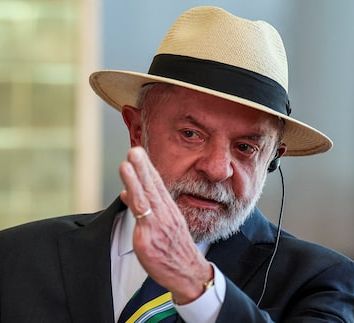
Brazilian President Luiz Inácio Lula da Silva has secured a historic fourth presidential term after defeating conservative challenger Flávio Bolsonaro in a closely contested runoff election.
Lula won 51.75 per cent of the votes against Bolsonaro’s 48.25 per cent, with nearly all ballots counted following Sunday’s election, according to reported results. The victory marked a remarkable political comeback for the 80-year-old leader, who had finished behind his rival in the first round of voting earlier in October.
The outcome overturned the first-round advantage enjoyed by Bolsonaro, 45, and marked a significant moment in Brazil’s political history. Lula became the first candidate since the country’s return to democracy in the 1980s to finish second in the opening round and subsequently win the presidency in a runoff.
Supporters celebrated across major Brazilian cities, including São Paulo and Rio de Janeiro, as the result became clear. Lula’s campaign had focused heavily on mobilising his traditional supporters, with voter abstention falling from 21.08 per cent in the first round to 19.21 per cent in the runoff.
Born into poverty, Lula rose to prominence as a trade union leader before entering politics. He first became president in 2003 and served two consecutive terms before returning to office in 2023 after defeating Flávio’s father, Jair Bolsonaro, in the 2022 election.
The latest victory extends Lula’s political legacy, although his next term will come with significant challenges, including concerns over crime, the cost of living, public spending and a conservative-dominated Congress.
Flávio Bolsonaro had campaigned on a conservative platform, promising tougher security policies and presenting himself as an alternative to the incumbent. Following his defeat, he rejected the result and indicated that he would seek to have the election annulled.
The result also represents a setback for US President Donald Trump, who had supported the Bolsonaro political camp. Lula has repeatedly emphasised Brazil’s national sovereignty and maintained an independent foreign policy, including close economic ties with China and participation in the BRICS bloc.
Despite the electoral victory, Lula will need to navigate a divided political landscape and respond to voters’ economic and security concerns as he begins his new term.