Nigeria could experience rising temperatures and changing rainfall patterns as a strengthening El Niño climate phenomenon raises concerns about agriculture, water supply, electricity generation and public health.
The World Meteorological Organization (WMO) warned in September 2026 that El Niño was expected to intensify into a very strong event and persist into early 2027. The Nigerian Meteorological Agency (NiMet) has also cautioned that the phenomenon could affect rainfall distribution, including the timing and duration of the rainy season.
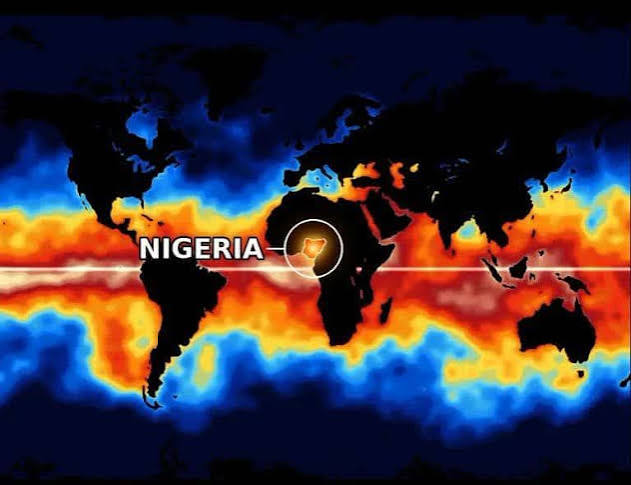
El Niño is a natural climate phenomenon that occurs when surface waters in the central and eastern tropical Pacific Ocean become warmer than average. The warming alters atmospheric circulation and can influence weather conditions across different parts of the world, including West Africa.
Although its effects vary by location, experts warn that the phenomenon could increase the risk of extreme heat, dry spells and irregular rainfall in parts of Nigeria.
One major concern is public health. High temperatures can cause dehydration, heat exhaustion and potentially fatal heatstroke, particularly among children, older people and outdoor workers.
A projection by the Climate Impact Lab suggested that Nigeria could experience an additional 31,400 heat-related deaths between September 2026 and February 2027 compared with an average year. The figure is a model-based estimate, not a confirmed death toll or a certainty that the deaths will occur.
Agriculture is another sector facing potential risks. Changes in rainfall could disrupt planting schedules, affect crop development and reduce harvests in areas experiencing prolonged dry spells. Excessive rainfall, meanwhile, could cause flooding and damage farms.
Farmers are being encouraged to monitor weather forecasts, seek advice from agricultural extension officers and consider suitable drought-tolerant or early-maturing crop varieties where appropriate.
Water supply and electricity generation could also come under pressure if rainfall deficits reduce river flows and reservoir levels. Lower water availability may affect irrigation and hydropower generation, although nationwide shortages are not inevitable.
Potential disruption to food production could place additional pressure on household expenses. However, food prices will also depend on factors such as transportation costs, storage, market conditions and the volume of available supplies.
To reduce the risks, authorities are being urged to strengthen weather-warning systems, provide farmers with timely forecasts, monitor water resources and prepare health facilities for heat-related emergencies.
Residents can also take practical precautions by drinking water regularly, seeking shade during the hottest periods, limiting strenuous outdoor activities when temperatures are high and checking on vulnerable family members and neighbours.
The government must prepare for both heat and rainfall-related hazards rather than assume that El Niño will produce the same conditions across the country. Clear public communication and location-specific forecasts will be essential in helping communities respond appropriately.
Despite the warnings, El Niño does not automatically mean Nigeria is heading for a nationwide drought or disaster. Its effects depend on regional weather patterns and other climate influences.
The priority, experts say, is to prepare early, monitor updated forecasts and strengthen the country’s capacity to respond to potential climate-related challenges.
#ElNino #ClimateChange #Heatwave #NiMet #Agriculture #FoodSecurity #WaterSupply #NigeriaNews #OnPointGist