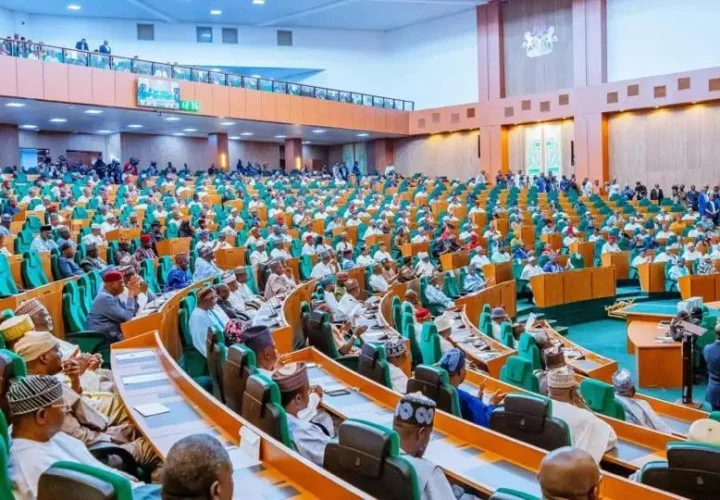
The House of Representatives has called on the Federal Government to introduce a transparent regulatory framework for importing electric vehicles, compressed natural gas (CNG)-powered cars and related equipment into Nigeria.
The proposed framework seeks to ensure that companies importing alternative-energy vehicles do more than benefit from government tax reliefs and import duty concessions. They would also be expected to invest in local maintenance facilities, technical training and the infrastructure needed to support the vehicles.
The proposal followed a motion sponsored by Ademorin Aliu Kuye, a member of the House from Lagos State, during plenary on Tuesday.
Kuye argued that Nigeria must establish clear conditions for companies seeking to enter the clean transportation market, ensuring that imported vehicles can be properly maintained and supported after purchase.
He noted that the country had introduced incentives to encourage the adoption of electric vehicles, CNG-powered cars, liquefied petroleum gas vehicles and other alternative transportation technologies as part of its energy transition and economic diversification plans.
Importers May Face New Requirements
Under the proposed framework, companies seeking approval to import the vehicles could be required to demonstrate their capacity to provide essential services within Nigeria.
The suggested conditions include:
- Establishing certified vehicle servicing and maintenance centres.
- Providing genuine spare parts and warranty support.
- Employing and training qualified Nigerian technicians.
- Investing in electric vehicle charging stations or CNG refuelling facilities.
- Complying with Nigerian safety, environmental and technical standards.
- Submitting consumer protection and after-sales service plans.
The lawmakers believe the requirements would help protect consumers from situations in which vehicle owners struggle to find spare parts, qualified technicians or appropriate maintenance services after purchasing imported vehicles.
Government Incentives May Be Tied to Local Investment
Kuye said linking government incentives to measurable investments in local infrastructure could encourage technology transfer, create jobs and strengthen domestic participation in the automotive industry.
He maintained that Nigeria should use the growing market for alternative-energy vehicles to attract investment and develop technical expertise rather than depend primarily on imported products.
The House also urged the National Automotive Design and Development Council (NADDC), working with the Standards Organisation of Nigeria, Nigeria Customs Service, Bureau of Public Procurement and other relevant agencies, to develop objective criteria for approving importers.
Additionally, the council was asked to maintain a public register of approved importers and infrastructure providers to improve transparency and consumer confidence.
The proposed approval process is expected to be open and competitive, allowing any company that satisfies the prescribed requirements to qualify without undue preference.
House Committees Given Four Weeks to Report
The lawmakers further called for tax incentives, import duty concessions and other government benefits to be linked to compliance with the proposed framework.
Following the adoption of the motion, the House mandated its Committees on Industry, Commerce, Gas Resources, Environment and Legislative Compliance to monitor implementation and report back within four weeks for further legislative action.
The proposal comes as Nigeria seeks to expand the use of alternative-energy vehicles and reduce dependence on petrol and diesel.
However, the recommendations are not yet established import requirements. Further action by the relevant authorities would be necessary before the proposed conditions could become enforceable.