
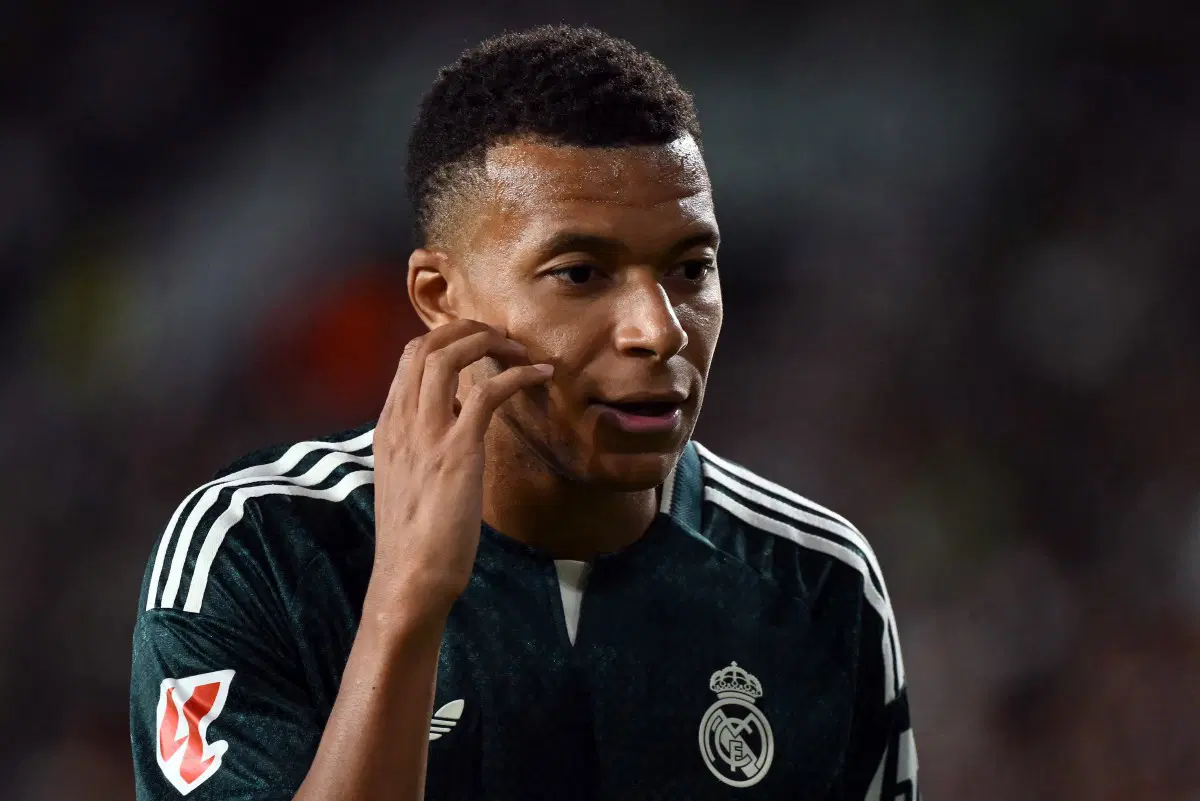
Kylian Mbappé, Real Madrid and Spain’s La Liga are facing a difficult challenge in rebuilding their relationship with Chinese football fans following a controversy that has triggered apologies, commercial fallout and renewed questions about the responsibilities of global sports stars when addressing culturally sensitive issues.
The incident has placed one of football’s most recognisable players and one of the world’s biggest clubs under scrutiny in a market that has long been important to European football’s international expansion.
China has millions of football followers who support leading European teams, watch international competitions and engage with players through social media. For La Liga, maintaining a strong presence in the country is important not only for broadcasting revenue but also for sponsorships, merchandise sales and the global promotion of Spanish football.
However, the controversy involving Mbappé has demonstrated how quickly a public comment can affect those relationships, particularly when it touches on historical and political sensitivities.
How the Controversy Started
The dispute followed comments Mbappé made during an online interview involving an internet meme that superimposed his face on an image he described as a Chinese dictator. The remarks were widely interpreted as referring to Mao Zedong, the former leader of China whose image remains politically sensitive.
The incident attracted attention among Chinese audiences, with reactions extending beyond ordinary discussions about football and celebrity culture.
For many international athletes, social media and online interviews offer opportunities to connect directly with supporters. However, such platforms can also expose players to criticism when jokes, comparisons or comments are perceived as disrespectful towards a country’s history or cultural identity.
In Mbappé’s case, the controversy quickly developed into a wider issue involving the player, his club and the Spanish league.
The incident also highlighted the challenges faced by internationally recognised athletes whose public image extends across countries with different cultural expectations and political sensitivities.
Mbappé Issues an Apology
Following the backlash, Mbappé apologised on October 27, describing his comment as ill-judged and acknowledging that it had hurt people in China and Chinese communities around the world.
The apology was an attempt to address the concerns raised by the incident and communicate regret over the offence caused.
However, repairing a damaged public relationship can require more than a statement, particularly when the controversy involves a high-profile personality whose actions are closely followed by international audiences.
The episode has therefore raised questions about how effectively public apologies can address cultural misunderstandings and whether further engagement will be necessary to restore confidence.
For Mbappé, the challenge extends beyond his reputation as a footballer. His commercial profile, international endorsements and relationships with supporters also depend on how his public conduct is perceived.
Real Madrid and La Liga Respond
Real Madrid subsequently issued its own apology, expressing respect for China, its history, culture and people.
La Liga also apologised as the controversy continued to attract attention, reflecting concerns about the potential consequences for Spanish football’s standing in the country.
The involvement of both organisations demonstrates how the actions of an individual player can have implications for the wider institutions associated with him.
Real Madrid has invested heavily in building its international following through commercial partnerships, overseas promotional activities and its global fan community. La Liga similarly depends on the appeal of its leading clubs and players to attract viewers outside Spain.
Consequently, an incident involving one of the league’s most prominent stars can create difficulties for broadcasters, sponsors and commercial partners that rely on a positive association with Spanish football.
The apologies were intended to address the controversy, but the extent to which they will help restore the relationship with Chinese audiences remains uncertain.
Chinese Broadcasters and Sponsors React
The fallout has reportedly included the suspension of Spanish league broadcasts by Chinese state television and the withdrawal of several commercial partnerships involving Mbappé.
These developments have raised concerns about the possible financial implications for the player, Real Madrid and La Liga.
Broadcasting agreements are a major source of revenue for international sports competitions. They allow leagues to reach audiences across different territories while generating income that supports clubs, players and the broader football industry.
China is particularly important because of its large consumer market and substantial audience for international sport.
When broadcasters suspend coverage or sponsors distance themselves from a player, the consequences can extend beyond a temporary public relations problem. They can affect commercial negotiations, future partnerships, promotional campaigns and the willingness of companies to associate their brands with the individuals or organisations involved.
Nevertheless, the longer-term financial impact of the controversy will depend on how the situation develops, whether existing restrictions remain in place and whether broadcasters and sponsors reconsider their positions.
Why China Matters to Real Madrid and La Liga
Real Madrid has spent decades building a global following, with supporters across Asia, Africa, Europe and the Americas.