
Concerns over the credibility of Nigeria’s electoral process have intensified ahead of the 2027 general elections, following allegations that artificial intelligence-generated photographs and questionable information have appeared in the country’s voter register.
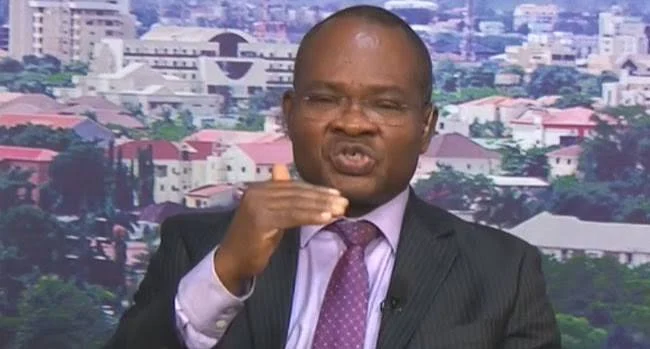
Clement Nwankwo, Director of the Policy and Legal Advocacy Centre (PLAC), has warned that the alleged irregularities could undermine public confidence in the elections and create opportunities for electoral manipulation if they are not properly addressed.
Speaking during an interview with ARISE News on Thursday, Nwankwo questioned the increase in Nigeria’s registered voter population from more than 90 million to approximately 103 million, calling for greater transparency over how the figures were compiled.
He expressed concern about whether all the entries in the register represented genuine, eligible voters and urged the Independent National Electoral Commission (INEC) to provide clear explanations.
“Technology has of course come forward, and now what we see is what is now referred to as AI-generated information and photographs that have been inserted into the voter register,” Nwankwo said.
He added that civil society organisations and other individuals had used technological tools, including artificial intelligence, to examine the register and identify entries they considered suspicious.
According to him, the controversy raises fundamental questions about the verification procedures used during voter registration and the measures available to prevent inaccurate or potentially fraudulent records from entering the database.
PLAC Director Questions INEC’s Preparedness
Beyond the disputed photographs, Nwankwo criticised what he described as inadequate communication between INEC and political parties regarding preparations for the 2027 elections.
He argued that political parties should receive regular updates on the commission’s plans, operational procedures and efforts to address identified shortcomings.
The PLAC director also expressed concern that gaps in election preparations could become increasingly difficult to resolve as the polls approach.
He warned that problems involving the transfer of voters between polling units could prevent some eligible Nigerians from participating in the elections if the commission failed to address them promptly.
Nwankwo further questioned whether INEC had adequately informed citizens about how to challenge incorrect entries or submit objections to questionable information contained in the preliminary register.
He stressed that the process of reviewing voter records must be transparent and accessible to the public.
Allegations Recall Previous Registration Controversies
Nwankwo also drew attention to controversies surrounding previous voter registration exercises, recalling instances in which names of prominent individuals were reportedly entered into the register without proper verification.
He argued that lessons from earlier exercises should inform the current review to prevent similar problems from recurring.
The PLAC director maintained that the accuracy of the voter register is fundamental to the credibility of an election, warning that weaknesses in the database could provide opportunities for abuse.
However, his concerns about the register and the commission’s preparedness represent his assessment of the situation, while the authenticity and circumstances surrounding individual questionable entries remain subject to investigation.
INEC Begins Review of Suspicious Entries
INEC has acknowledged public concerns over suspicious photographs in its preliminary register and said it is investigating the circumstances surrounding the records.
The commission explained that the register published online was the same preliminary version displayed physically at registration areas across the country between October 9 and October 15, 2026.
It said questionable records had been identified and flagged for further examination during the display exercise, adding that the online publication did not reflect all ongoing data-cleaning activities.
INEC also assured Nigerians that verified irregularities would be addressed before the final register is certified on December 15, 2026.
The commission said it was examining possible technical or procedural lapses that might have allowed the suspicious photographs to appear in the database.
The controversy has triggered wider calls from political stakeholders and civil society groups for an independent review, greater transparency and accountability in the management of voter information.
With the 2027 elections approaching, attention is now focused on whether INEC can resolve the concerns, establish the authenticity of disputed records and demonstrate that the final register accurately reflects eligible voters.