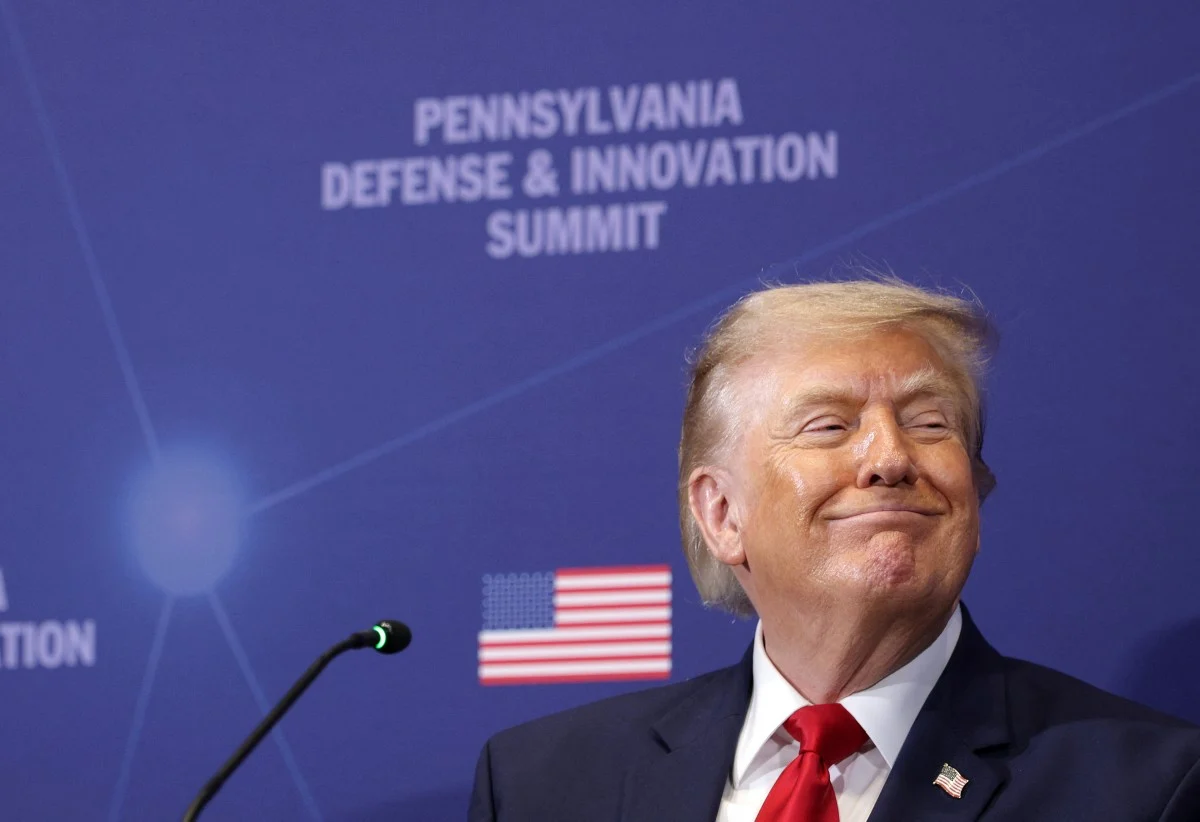
As the United States prepares for its November 3, 2026, midterm elections, state election officials are raising concerns about possible attempts by President Donald Trump’s administration to influence the voting process, the counting of ballots and the certification of results.
The concerns come amid heightened political tensions, with Trump’s Republican Party facing a challenging battle to retain control of Congress. The president has repeatedly questioned the integrity of American elections and advocated greater federal involvement in how voting is conducted.
However, many of the scenarios being discussed remain potential risks rather than confirmed plans. The White House maintains that its actions are intended to protect election security, while election experts warn that certain interventions could disrupt the process or undermine public confidence in the results.
Concerns Over Voter Registration and Eligibility
One area attracting attention is the administration’s effort to obtain voter registration records from states.
The US Justice Department has filed lawsuits against 30 states and the District of Columbia in an attempt to access voter registration lists, arguing that the information is needed to identify people who may not be eligible to vote.
The department has also sought to have ballots set aside for approximately 20,000 people in California and more than 400 in Washington state over suspicions that they may be non-citizens.
However, courts have rejected many of the administration’s efforts to obtain voter records, while a federal judge recently turned down the request concerning California, warning that it could disrupt an election already under way.
Research has consistently found that voting by non-citizens in US elections is extremely rare.
Federal Election Monitors Raise Questions
The Justice Department plans to deploy approximately 1,000 election monitors across all 50 states, in what has been described as its largest such deployment.
Election monitoring is not new in the United States. However, the scale of the planned operation has raised concerns among Democrats and voting-rights organisations, which fear that the presence of federal personnel could intimidate voters or create confusion at polling stations.
The department says its monitors will be unarmed and prohibited from interfering with voting. It has also stated that the personnel will not be drawn from the FBI or Immigration and Customs Enforcement.
Critics, however, argue that the operation must be closely scrutinised to ensure that monitoring does not become a means of influencing voter behaviour.
Fears Over Immigration Agents and Military Deployment
Another source of concern is the possibility that immigration enforcement operations near polling stations could discourage people from voting, particularly in immigrant communities.
The administration says it is not planning operations specifically targeting polling locations. Nevertheless, officials have not entirely ruled out the possibility of immigration agents being present at certain sites while carrying out authorised duties.
Trump has also declined to rule out declaring a national emergency or invoking the Insurrection Act, a law that can permit the deployment of troops within the United States under specific circumstances.
Legal experts have stressed that such powers do not give the president unrestricted authority over elections. Federal law also places restrictions on the presence of armed troops and federal agents at polling places.
The US Constitution assigns responsibility for administering elections primarily to states and Congress, rather than giving the president direct control over the voting process.
Could Federal Agents Seize Ballots or Voting Machines?
Election officials are also concerned about the possibility of federal authorities seeking access to ballots, voting machines or other election records through warrants, subpoenas or other legal procedures.
The issue has gained attention following an FBI operation in January involving the seizure of ballots and other election records from Fulton County, Georgia. The county was a major focus of Trump’s disputed claims about the 2020 presidential election.
Officials warn that similar actions during an active vote count could interrupt the process and create uncertainty over how election materials are handled.
Trump could also challenge the use of mail-in ballots, voting machines or ballots counted after election night, potentially prompting legal disputes and demands for recounts.
Nevertheless, such challenges would face legal scrutiny, and courts could intervene if authorities attempted to disrupt the counting process unlawfully.
Battle Over Certification of Election Results
The period after election day could present another flashpoint, particularly if the results are close and control of the Senate or House of Representatives remains uncertain.
The Justice Department has pursued legal action in Alaska seeking to delay certification of the state’s Senate race if Democratic candidate Mary Peltola defeats Republican incumbent Dan Sullivan.
The dispute involves a second candidate named Dan Sullivan, whom the administration alleges could confuse voters. The candidate has denied intending to mislead voters, while the broader legal challenge has raised questions about the federal government’s role in state election procedures.
Experts say federal law does not give the Justice Department a general power to block the certification of election results. Courts can also compel officials to carry out their legal responsibilities.
There are further concerns that pressure on state officials to dispute unfavourable results could delay the seating of newly elected lawmakers in January.
Courts and State Officials Remain Key Safeguards
Despite the concerns, the US electoral system has several safeguards intended to prevent unlawful interference.
State and local authorities administer elections, while courts can review disputes and determine whether government actions comply with the law. Election officials and voting-rights organisations are also preparing legal responses to potential challenges.
The Trump administration maintains that its efforts are focused on preventing fraud and protecting the integrity of elections. Critics argue that the methods being considered risk undermining confidence in the democratic process.
Ultimately, the extent to which the concerns materialise will depend on the administration’s actions, the response of state officials and the decisions of the courts.
With the November 3 vote approaching, the central question is whether the safeguards built into the American electoral system will be sufficient to ensure that voting, counting and certification proceed without unlawful interference.
#DonaldTrump #USElections #MidtermElections #AmericanPolitics #ElectionSecurity #WorldNews #OnPointGist