The Nigerian Society of Engineers has said energy shortages and persistent infrastructure gaps will remain major factors shaping Nigeria’s construction industry beyond 2026.
The NSE Deputy President, Valerie Agberagba, made the assessment while speaking on “Nigeria’s Construction Outlook 2026: Market Realities and Delivery Priorities” at the sixth edition of Big 5 Construct Nigeria in Lagos.
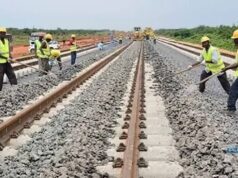
Agberagba said Nigeria was not lacking in construction projects but faced challenges in turning proposed projects into properly financed, completed and maintained infrastructure.
She attributed the growing demand for construction to the country’s rising population and rapid urbanization, which she said were increasing the need for housing, electricity, transportation networks, water infrastructure and industrial facilities.
According to her, the major challenge is no longer the availability of projects but ensuring that sufficient financing and proper delivery structures are in place to complete them and keep them functional.
Financing remains a major challenge
Agberagba identified financing conditions, affordability and delivery discipline as some of the major constraints affecting the sector.
She noted that Nigeria’s 2025 capital expenditure allocation was ₦23.9 trillion, with significant attention given to sectors including power, transportation and water.
However, she said the prevailing monetary environment had made private-sector investment more difficult, citing a monetary policy rate of 25.7 per cent in 2025.
She said the construction sector therefore needed stronger financing mechanisms capable of converting the large pipeline of proposed projects into infrastructure that could actually be delivered and maintained.
Energy key to industrialization
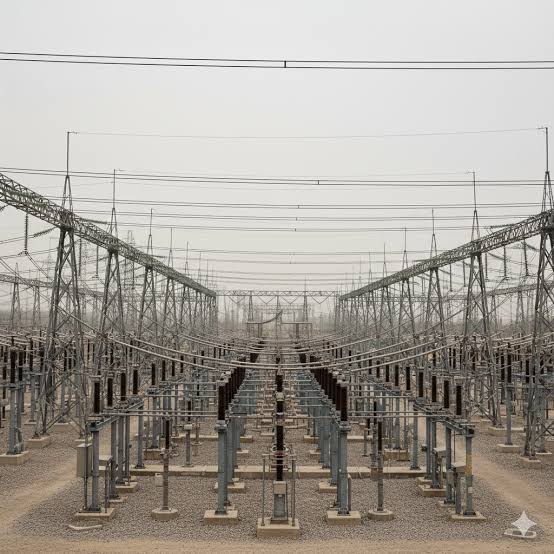
Looking beyond 2026, the NSE official identified energy demand and industrial expansion as important areas of opportunity for the construction industry.
She stressed that reliable energy was essential to industrialization and broader economic development.
According to her, improvements in power delivery, transportation and logistics would be critical if Nigeria is to expand economic activity, create jobs and ensure infrastructure projects are completed within reasonable timelines.
She also pointed to rising construction costs and market volatility as factors that would increasingly distinguish companies capable of delivering efficiently from those unable to adapt to changing conditions.
Population growth driving infrastructure demand
Agberagba said Nigeria’s continued population growth and movement towards urban areas would keep demand for infrastructure high.
She noted that cities would require additional housing, transportation, water, power and other social infrastructure as urban populations increase.
Meanwhile, Senior Vice-President at DMG Events, Josine Heijmans, said population growth, urbanization and economic diversification were increasing Nigeria’s need for infrastructure development.
She stressed the importance of bringing government, construction companies, technology providers and other stakeholders together to discuss challenges and identify solutions.
Managing Director of Robert Bosch Nigeria, Dr Samson Ajayi, also said the company’s participation in Big 5 Construct Nigeria provided an opportunity to engage key players in the construction sector and expand discussions around industry development.
The stakeholders spoke during the event in Lagos, where industry players examined the challenges and opportunities facing Nigeria’s construction market.