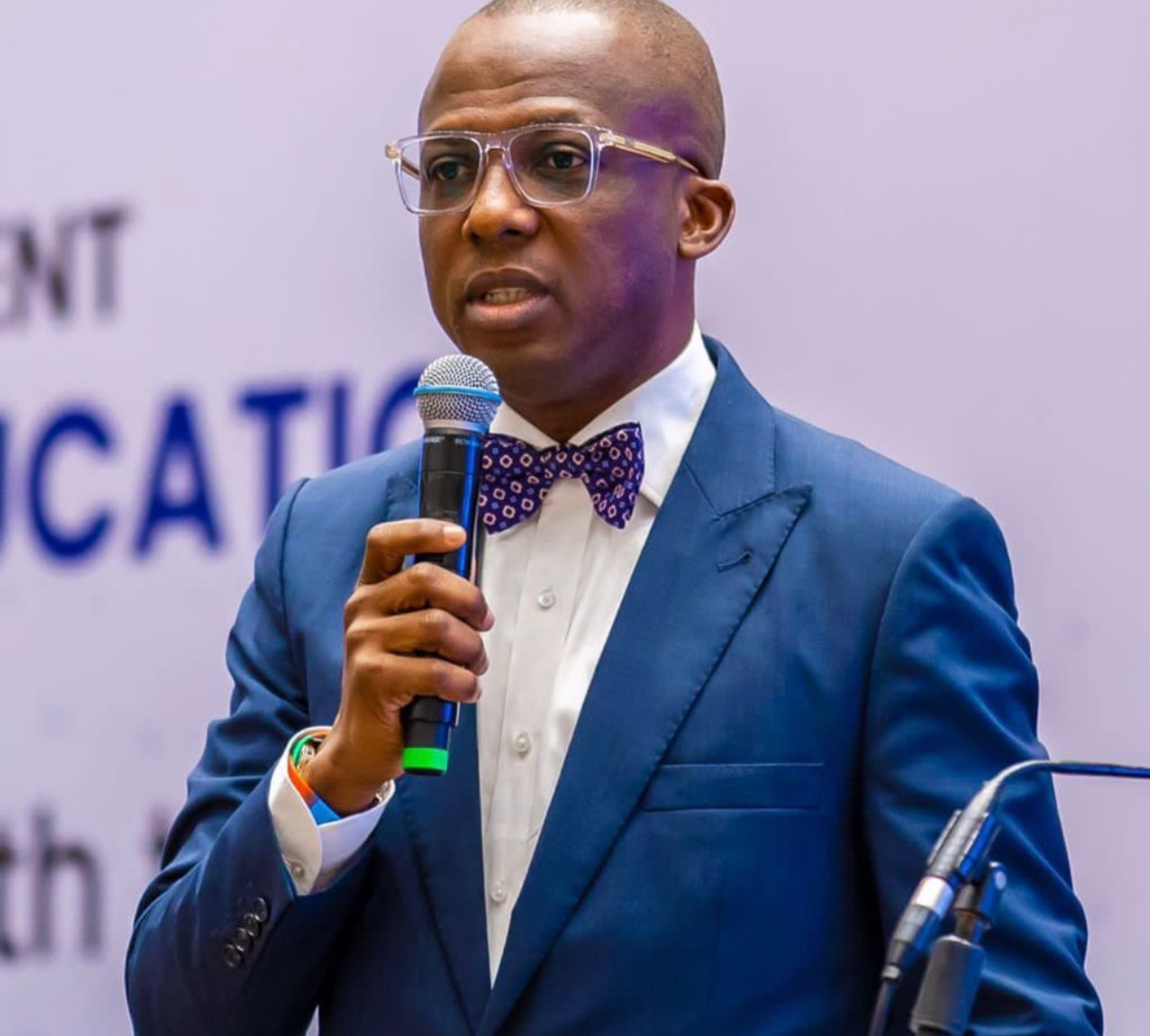
Lagos State Commissioner for the Environment and Water Resources, Tokunbo Wahab, and African Democratic Congress governorship candidate Gbadebo Rhodes-Vivour have disagreed over the state’s management of waste and recurring flooding.
The dispute followed Rhodes-Vivour’s appearance on Channels Television’s Politics Today, where he criticised the condition of waste management and flooding in Lagos and described the state as “stinking.”
Responding to the criticism, Wahab acknowledged that Lagos still faced challenges with waste collection but rejected the suggestion that the state government had no comprehensive strategy beyond removing refuse after it accumulated.
The commissioner said Lagos generates between 13,000 and 15,000 tonnes of municipal waste daily. He added that the Lagos Waste Management Authority and private-sector operators evacuated about 418,500 tonnes of waste in May 2026 alone, representing an average of roughly 13,200 tonnes per day.
Wahab, however, admitted that some residents do not receive satisfactory waste collection services, citing collection failures, underperforming private-sector operators and other operational difficulties.
He explained that waste management involved an interconnected chain, noting that delays at disposal facilities could affect truck turnaround times, disrupt collection schedules and ultimately result in refuse piling up in communities.
According to him, the rehabilitation of Road E and the addition of disposal platforms at the Olusosun landfill had improved operations. He said truck movements across disposal facilities increased to 1,866 in the week following the intervention, while trips recorded at Olusosun rose from 574 to 1,012.
Wahab also listed other measures being pursued by the state, including the development of modern transfer loading stations, material recovery facilities, recycling and composting initiatives, as well as the Epe waste-to-energy project.
He said the government was also strengthening data collection through property enumeration, geocoded service locations, GPS tracking, weighbridge measurements and collection records.
The commissioner further said the state was reviewing the performance of private-sector waste operators and would sanction or terminate the contracts of those found wanting.
Rhodes-Vivour, however, dismissed Wahab’s response, describing it as “lengthy explanations, with little by way of solutions.”
The ADC candidate argued that accumulated refuse contributes to flooding because rainfall can wash waste into drainage channels even when residents have not directly dumped it there.
He also questioned the adequacy of Lagos’ road and drainage infrastructure, linking poor waste management to the wider flooding challenge facing parts of the state.
The exchange comes amid continuing concerns over flooding in Lagos. The state government recently issued warnings to residents in low-lying, riverine and coastal communities following flood alerts from the Nigerian Hydrological Services Agency.
The government has repeatedly urged residents to keep drains and waterways free of refuse, while also identifying factors such as heavy rainfall, high tidal levels, development around wetlands and blocked drainage channels as contributors to flooding.
The latest disagreement has brought renewed attention to the relationship between waste collection, drainage maintenance and flood management in Lagos, with both sides presenting different assessments of the state’s response.