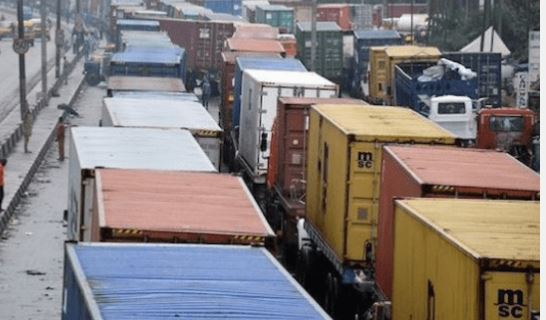
The Nigerian Ports Authority (NPA) has raised concerns over the growing pressure on the Apapa access road in Lagos, disclosing that approximately 7,000 trucks move through the corridor daily, placing a heavy burden on the road network and port operations.
The authority warned that the high volume of truck traffic continues to pose challenges for cargo movement, traffic management and the smooth operation of Nigeria’s busiest port complex.
Apapa is a major gateway for the country’s imports and exports, making efficient road access essential to the movement of goods between the ports, warehouses and other destinations.
Heavy Truck Traffic Worsens Congestion
The daily movement of thousands of trucks has intensified pressure on the roads leading to the Apapa and Tin Can Island ports.
Congestion along the corridor has long been a concern for transport operators, importers, exporters and residents, with traffic delays often increasing the time and cost required to move cargo.
The situation can also affect productivity across the logistics chain, as trucks spend longer periods waiting to access port terminals or leave the area after loading and unloading goods.
Port Operations Face Logistical Challenges
The NPA’s warning highlights the importance of improving access roads and strengthening traffic management around the port environment.
Efficient cargo evacuation is critical to reducing delays, lowering logistics costs and improving the competitiveness of Nigerian ports.
Stakeholders have repeatedly called for better coordination among port authorities, terminal operators, truck owners and relevant government agencies to address congestion and improve the movement of goods.
Calls for Sustainable Solutions
Addressing the pressure on the Apapa corridor will require coordinated measures involving road infrastructure, truck scheduling, parking facilities and alternative cargo transportation options.
Improved use of rail and inland waterways for freight movement could also reduce the number of trucks relying on roads around the ports.