
The controversy over the use of funds generated by the removal of Nigeria’s petrol subsidy has intensified, with state governors rejecting suggestions that they failed to properly account for the additional revenue, while former Vice President Atiku Abubakar continues to question how the money has been managed.
The dispute follows the disclosure by the Minister of Finance and Coordinating Minister of the Economy, Taiwo Oyedele, that the removal of the petrol subsidy freed about ₦15.8 trillion for the federation between June 2023 and December 2025.
Of the amount, the Federal Government received approximately ₦5.4 trillion, while ₦10.4 trillion was distributed to state and local governments through the Federation Account Allocation Committee.
The figures have triggered renewed debate over whether the additional resources generated by the subsidy reform have translated into meaningful improvements in the lives of Nigerians.
The Nigeria Governors’ Forum, however, has rejected the suggestion that state governments should take responsibility for alleged mismanagement of the funds.
Speaking after the governors’ meeting in Abuja, Bayelsa State Governor Douye Diri, who represented the NGF chairman, Kwara State Governor AbdulRahman AbdulRazaq, dismissed the allegation.
The governors maintained that the matter required a broader discussion rather than assigning responsibility to the states alone.
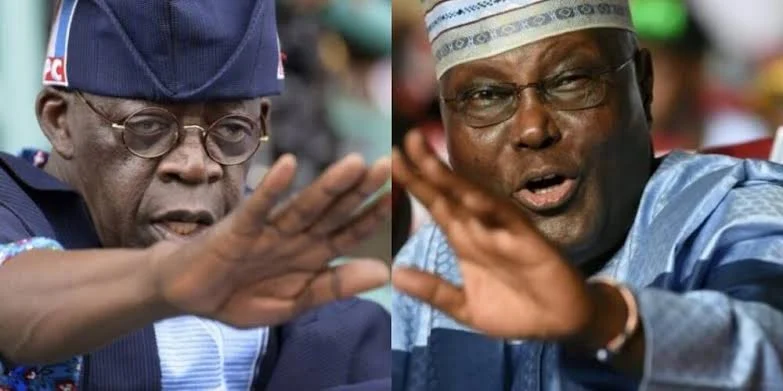
The debate was intensified by Atiku, who has criticised the economic consequences of subsidy removal and suggested that the policy could be reversed if he wins the 2027 presidential election.
The Presidency has rejected Atiku’s position, warning that a return to petrol subsidies could undermine the country’s finances and recreate the fuel shortages associated with the previous system.
Atiku has also challenged the Federal Government to provide greater transparency over its social intervention programmes.
He specifically questioned claims that about ₦600 billion had been spent on cash transfers to millions of vulnerable households.
The former vice president pointed to conflicting figures from government officials concerning the number of households that had benefited from the programme and demanded a detailed account of the beneficiaries and payments.
According to Atiku, the differences in the figures raise questions about whether the funds actually reached the intended recipients.
Meanwhile, the Federal Government has continued to defend the subsidy removal, arguing that the reform has created additional fiscal space for governments at all levels.
Minister of Information and National Orientation, Mohammed Idris, said the increased revenue available to governments was helping to finance infrastructure, education and other development projects.
He argued that reversing the subsidy policy could jeopardise the fiscal gains achieved since 2023.
The government is also pursuing measures designed to reduce the impact of higher transport costs following the subsidy removal.
President Bola Tinubu has directed the expansion of the Presidential Compressed Natural Gas Initiative, including plans to establish an additional 500 CNG refuelling stations nationwide.
The Federal Government and state governments are also working on measures intended to reduce public transport fares by encouraging the use of cheaper energy sources such as CNG and electric vehicles.
The governors have backed the proposed National Affordable CNG Transit Programme, which is expected to support vehicle conversions and help operators reduce transportation costs.
The programme is being presented as one way of ensuring that some of the savings from cheaper fuel translate into lower fares for passengers.
The subsidy debate is likely to remain a major political issue ahead of the 2027 elections, with the ruling administration defending its reforms and opposition figures demanding greater accountability over the resources generated from them.
For Nigerians, the central issue remains whether the substantial increase in government revenue will ultimately translate into lower living costs, better infrastructure, more jobs and improved public services.