A chieftain of the Peoples Democratic Party (PDP) in Ekiti State, Dr Oluwole Oluyede, has set a target of securing 90 per cent of the state’s registered votes for President Bola Tinubu in the 2027 presidential election.
Oluyede, who was the PDP candidate in the June 20, 2026 governorship election, announced the target after returning from a two-week break outside the country. He said his political platform, the Oluyede Progressive Alliance for Renewed Hope Agenda (OPARHA), had commenced preparations for a grassroots campaign in support of Tinubu’s second-term bid.
The PDP chieftain said the target could be achieved through extensive mobilisation across the state. He called on members of the PDP, All Progressives Congress (APC) and other political groups who support his vision for a more prosperous Ekiti and Nigeria to join the effort.
Oluyede said he believes Tinubu should be allowed to serve a second term so that the reforms introduced by the administration can be given enough time to mature and produce lasting results.
He also expressed his willingness to work with Ekiti State Governor Biodun Oyebanji and other political stakeholders to achieve the 90 per cent target.
According to him, OPARHA will take the campaign to communities, wards and households across Ekiti’s 16 local government areas and 177 wards. He said the mobilisation would focus on engaging residents directly and explaining the reasons behind his support for Tinubu.
Oluyede further described the initiative as an attempt to build stronger political cooperation among different groups in the state while improving relations between the Ekiti State and Federal Governments.
He dismissed suggestions that he had withdrawn from politics, explaining that his recent holiday followed a period of extensive political consultations after the governorship election.
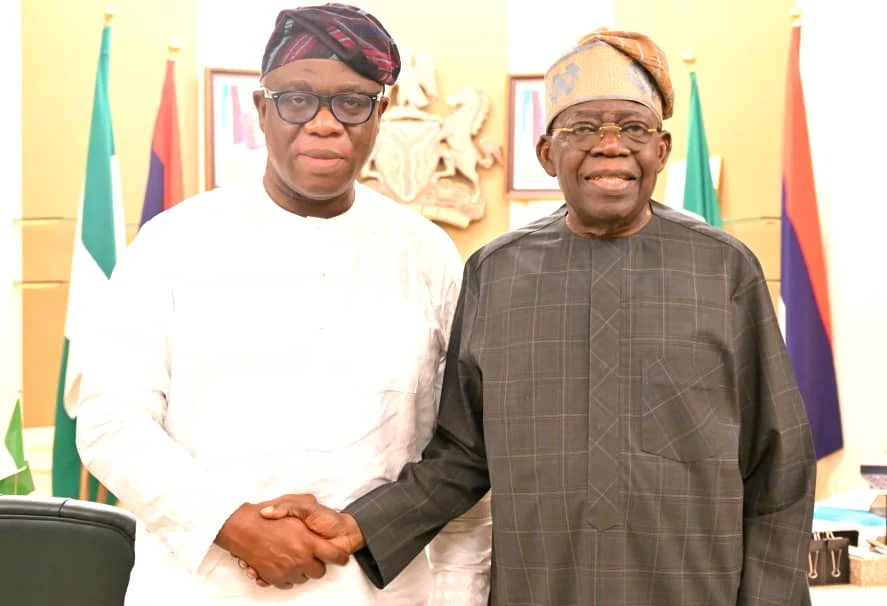
He disclosed that he had met with President Tinubu and Governor Oyebanji after the election, saying the discussions centred on cooperation and the development of Ekiti State.
Oluyede maintained that political differences should not prevent leaders from working together where the interests of the people are concerned.