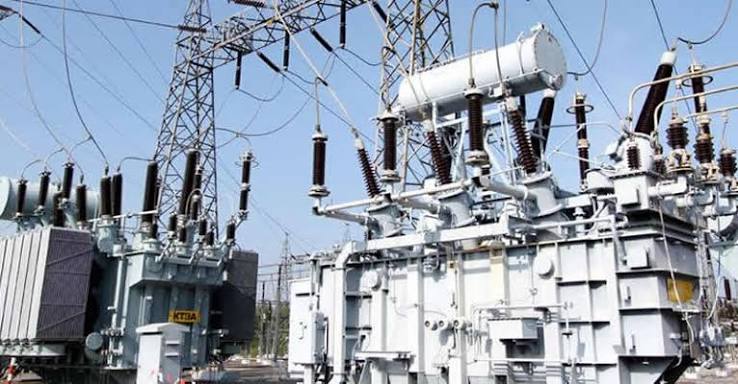
The Federal Government has turned to the bond market to address its mounting debts to electricity generation companies, as outstanding obligations in Nigeria’s power sector reportedly reached ₦6 trillion by the end of 2025.
The debt burden has continued to put pressure on the electricity industry, limiting the ability of power generation companies to meet financial obligations and invest in improving electricity supply.
According to the Nigerian Electricity Regulatory Commission’s 2025 industry report, the Federal Government’s gross electricity tariff subsidy obligation stood at ₦1.928 trillion during the year, representing 57.44 per cent of the total invoices issued by the Nigerian Bulk Electricity Trading Plc.
This amounted to an average monthly subsidy obligation of approximately ₦160.69 billion.
The figure was slightly lower than the ₦1.949 trillion recorded in 2024, but the government’s accumulated liabilities remain a major concern for the industry.
FG Issues ₦728.9bn Bond to Settle Outstanding Debts
In September 2026, the Federal Government signed a ₦728.979 billion Series 2 bond under its ₦4 trillion Power Sector Debt Reduction Programme to settle verified legacy debts owed to electricity generation companies.
The transaction comprised ₦402 billion in cash bonds raised from the domestic capital market and ₦326.979 billion in non-cash bonds allocated to participating generation companies.
The Nigerian Bulk Electricity Trading Plc said the settlement process had commenced for participating generation companies and their associated gas suppliers.
The initiative is intended to improve liquidity across the electricity value chain and restore confidence among market participants.
However, stakeholders have stressed that settling historical debts alone will not resolve the sector’s longstanding challenges without broader reforms to ensure financial sustainability.
Power Supply Concerns Persist
Despite the government’s debt-reduction efforts, concerns remain over the reliability of electricity supply across the country.
The Minister of Power, Joseph Tegbe, has maintained that electricity generation and transmission have improved in recent months, with generation reportedly exceeding 5,000 megawatts on several occasions.
He said the government was working to sustain the gains by restoring power plants, upgrading substations and expanding transmission capacity.
Nevertheless, other industry stakeholders argue that Nigeria’s electricity challenges extend beyond generation capacity, pointing to weaknesses in transmission, distribution, investment and market financing.
Special Adviser to the President on Power and chairman of the Presidential Task Force on Power Sector Reset and Restoration, Lanre Babalola, said reforms in the industry remained incomplete.
He argued that the country had yet to establish a system capable of consistently converting available electricity generation capacity into reliable supply and sustainable commercial returns.
Stakeholders Demand Accountability
Industry experts have also questioned whether consumers are receiving adequate value for the money they pay for electricity.
Power sector consultant Bode Fadipe called for stronger regulatory enforcement and closer monitoring of distribution companies’ investments, including forensic audits to establish whether funds earmarked for infrastructure are being properly utilized.
Consumer rights advocate Princewill Okorie also called for stronger protection for electricity users, citing concerns over estimated billing, infrastructure charges and alleged failures to comply with regulatory directives.
The growing debt burden and continuing supply problems have renewed calls for stronger accountability, improved revenue collection and reforms that can prevent the accumulation of fresh liabilities.
While the bond programme offers a mechanism for addressing verified outstanding debts, stakeholders say lasting improvements will depend on whether the government and electricity market operators can tackle the structural problems undermining the sector.
#NigeriaElectricity #PowerSector #FG #ElectricityTariff #PowerSupply #NigerianEconomy #NigeriaNews #OnPointGist