

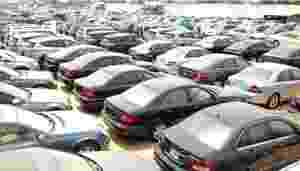
Despite reductions in import duties and other levies by the Federal Government, vehicle prices in Nigeria remain high, leaving many prospective buyers struggling to afford new and fairly used cars.
The policy was expected to reduce the cost of importing vehicles, ease pressure on automobile dealers and make cars more accessible to Nigerians. However, the anticipated relief has yet to translate into significant price reductions in the market.
The continued high cost of vehicles has raised questions about how effectively the duty cuts are being reflected in retail prices and whether the benefits are reaching ordinary consumers.
Import duties are among the charges that contribute to the overall cost of bringing vehicles into Nigeria. Other expenses, including foreign exchange rates, shipping, clearing charges, insurance and transportation, can also influence the final prices paid by buyers.
Why Vehicle Prices Have Not Fallen
Industry costs and broader economic conditions continue to influence vehicle prices, even when import-related charges are reduced. Dealers may also be selling vehicles imported under earlier, more expensive duty arrangements, meaning any benefits from the new rates could take time to appear.
In addition, fluctuations in the naira’s value against foreign currencies can affect the cost of imported vehicles, while shipping expenses and other charges add to the final selling price.
Buyers Continue to Face Affordability Challenges
For many Nigerians, purchasing a vehicle has become increasingly difficult as household incomes struggle to keep pace with the cost of essential goods and services.
The persistence of high vehicle prices also affects businesses that depend on transportation, including logistics operators, commercial drivers and small-scale traders.
The effectiveness of the government’s duty reductions will ultimately depend on how the changes affect the total cost of importing and selling vehicles, as well as whether dealers pass any savings on to consumers.
For now, prospective buyers continue to contend with expensive vehicles despite the government’s efforts to reduce import-related costs.