The Independent National Electoral Commission (INEC) has informed the Economic Community of West African States (ECOWAS) that its preparations for Nigeria’s 2027 general elections have progressed beyond administrative planning, with the commission now conducting physical assessments to evaluate its operational readiness.
INEC disclosed this during an engagement with an ECOWAS pre-election fact-finding mission in Abuja, where officials discussed the commission’s preparations, existing challenges and measures being put in place to ensure credible elections.
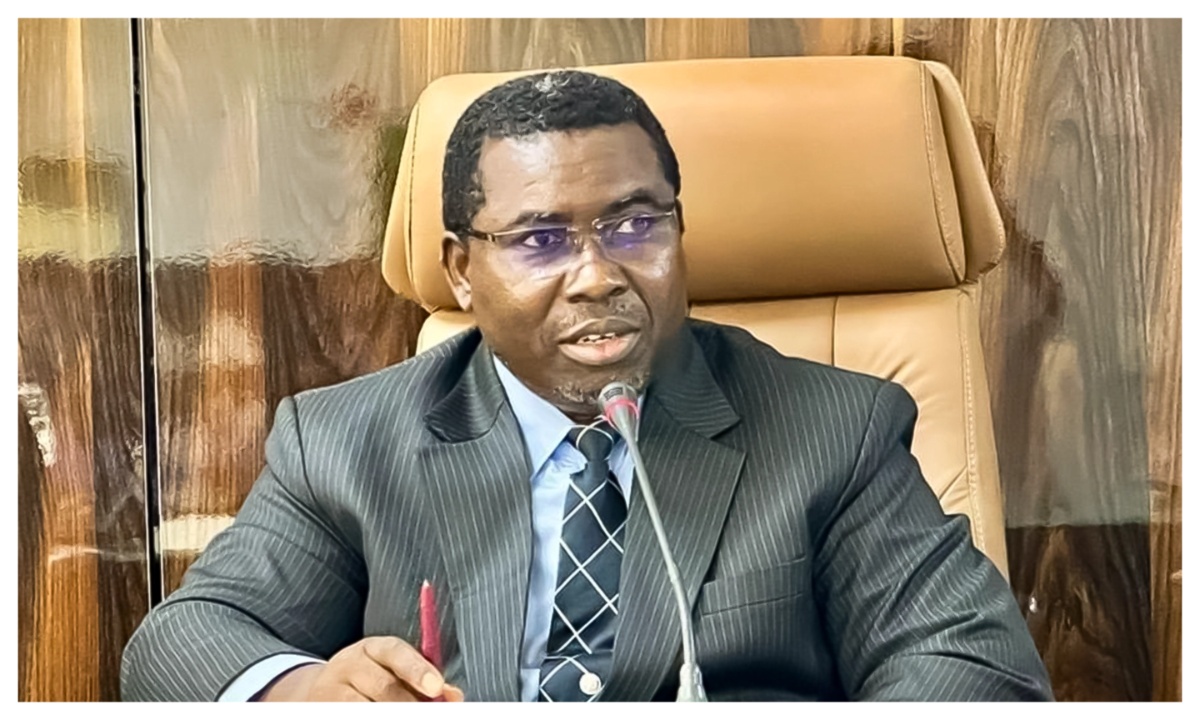
The ECOWAS delegation, led by former Sierra Leone Vice-President Victor Bockarie Foh, is in Nigeria to assess the country’s electoral preparedness ahead of the 2027 polls.
The mission’s activities include consultations with electoral authorities, political parties, government institutions and other stakeholders to examine the legal, political and operational environment in which the elections will take place.
INEC moves from planning to practical assessment
During the engagement, INEC explained that its preparations were no longer limited to administrative arrangements, as it had begun examining operational readiness on the ground.
The assessment is intended to help the commission identify gaps, address logistical challenges and ensure that electoral officials across the country understand their responsibilities before election day.
INEC’s preparations cover several critical areas, including electoral planning, voter registration, recruitment and training of ad hoc staff, distribution of election materials, technology deployment, security coordination and voter education.
The commission has also been conducting zonal readiness assessments to obtain feedback from officials working at state, local government and polling-unit levels.
These exercises are designed to identify problems early enough for corrective action before the nationwide elections.
ECOWAS assesses Nigeria’s electoral preparedness
The ECOWAS mission is undertaking its assessment in line with the regional organisation’s commitment to democracy, good governance and peaceful political transitions.
The delegation is expected to engage relevant institutions and political stakeholders to obtain a clearer picture of Nigeria’s readiness, including the challenges that could affect the credibility and smooth conduct of the elections.
Its findings are expected to help ECOWAS understand the country’s electoral environment and identify areas requiring attention ahead of the polls.
The engagement also provides an opportunity for Nigeria’s electoral authorities to explain their preparations and discuss the support required to strengthen the process.
Voters’ register and security remain major concerns
The assessment comes amid public debate over the accuracy of INEC’s preliminary voters’ register, following concerns about questionable photographs and irregular entries in some records.
The commission has said the preliminary register remains subject to verification and correction before the final version is certified.
Security is another major consideration, particularly in areas affected by violence and other threats that could prevent voters, election officials and observers from participating safely.
INEC has also emphasised the importance of improving logistics, strengthening election technology and ensuring that personnel are adequately trained before deployment.
These areas will be crucial in determining whether preparations translate into a credible election across Nigeria’s 36 states and the Federal Capital Territory.
2027 elections approach
Nigeria’s 2027 general elections are expected to be a major test of INEC’s ability to organise nationwide polls amid heightened public scrutiny and demands for greater transparency.
The commission’s physical readiness assessments are intended to ensure that challenges are identified and addressed before election day rather than during voting.
For ECOWAS, the ongoing engagement forms part of its broader efforts to support democratic governance and peaceful elections across West Africa.
The key test for INEC will be whether its planning and readiness exercises result in efficient logistics, reliable technology, adequate security and a transparent process that Nigerians can trust.