
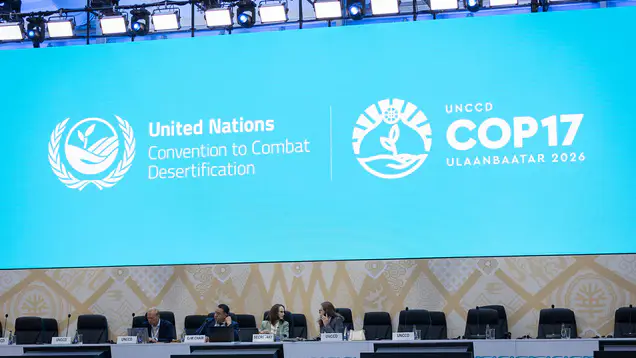
The 17th Conference of the Parties to the United Nations Convention to Combat Desertification (UNCCD COP17) has ended in Ulaanbaatar, Mongolia, with governments, development institutions and private-sector organisations announcing about $1.3 billion in new and pipeline financing for land restoration and drought resilience.
The financing is expected to support projects across 23 countries, with rangelands emerging as one of the major priorities of the initiative.
Rangelands take centre stage
Rangelands cover more than half of the world’s land surface and provide livelihoods for hundreds of millions of people, particularly pastoral and farming communities.
At COP17, governments and development partners placed greater emphasis on protecting and restoring these ecosystems as a way of improving food security, supporting rural livelihoods and strengthening resilience against drought.
A major component of the financing package is a $1.2 billion flagship initiative supporting rangeland restoration and sustainable management across multiple projects.
New investment platform targets drought resilience
The summit also saw the launch of a Drought Resilience Investment Facility, designed to mobilise as much as $400 million in public and private financing for drought-resilience projects in low- and lower-middle-income countries.
The facility is intended to help move drought management beyond emergency response by supporting investments in areas such as sustainable agriculture, water management and climate-resilient livelihoods.
Why land restoration matters
Land degradation and drought are becoming increasingly serious threats to agriculture, food production and rural economies.
The United Nations estimates that a significant share of the world’s land has already been degraded, while drought is affecting regions that previously experienced fewer severe dry periods.
Healthy soils and functioning ecosystems are critical for agriculture because they help retain water, support crops and livestock and reduce vulnerability to extreme weather.
Financing gap remains a major challenge
Despite the new commitments, the amount announced at COP17 remains small compared with the scale of investment required globally.
Reports indicate that there is an estimated $278 billion annual financing gap for land restoration.
This means that governments and development institutions will need to attract substantially more private capital if restoration commitments are to be translated into large-scale projects.
Global drought agreement remains unresolved
One of the major unresolved issues from the summit was the proposed legally binding global agreement on drought.
Delegates were unable to reach a final agreement on the issue, meaning negotiations will continue at a future UNCCD conference.
The delay has disappointed some countries and environmental advocates who had pushed for a stronger international framework for preventing and responding to drought.
Africa faces a major challenge
The outcome is particularly important for Africa, where land degradation, desertification and drought are already affecting agriculture and rural livelihoods.
For countries in the Sahel and other vulnerable regions, restoring degraded land could help improve agricultural productivity, protect pastoral communities and reduce the economic pressure created by environmental degradation.
Nigeria is also facing growing challenges linked to land degradation, drought, erosion and pressure on agricultural and pastoral livelihoods.
The success of the new financing initiatives will therefore depend not only on the amount of money announced but also on how effectively funds reach communities and projects that need them.
From promises to implementation
UNCCD officials have stressed that the real test of COP17 will be implementation.
The conference produced new financing mechanisms and political commitments, but governments will now have to translate those commitments into measurable restoration projects and stronger drought-preparedness systems.
For communities facing degraded farmland, disappearing vegetation and increasingly unpredictable rainfall, the need is immediate.
What COP17 means
The Ulaanbaatar summit has placed land restoration, rangeland protection and drought resilience firmly on the global development agenda.
The $1.3 billion financing announcement is an important step, but the much larger challenge is ensuring that the money is effectively deployed and that additional private and public investment follows.
OnPointGist will continue to monitor developments in climate finance, agriculture, land restoration and environmental sustainability, particularly as they affect Nigeria and Africa.