








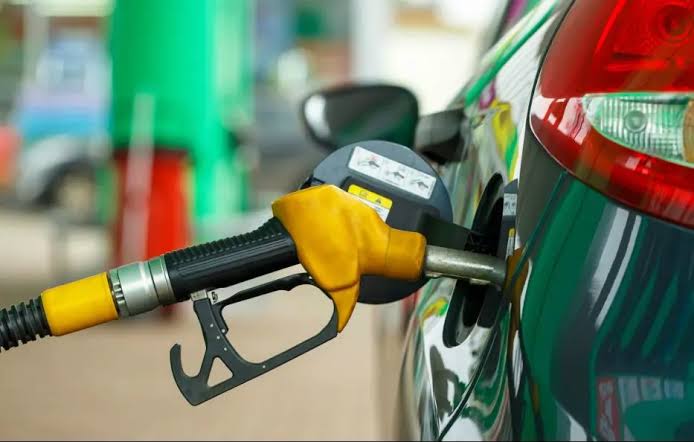
Petrol prices across Nigeria have remained above N1,300 per litre despite a recent decline in depot prices, raising concerns over why lower wholesale rates have yet to translate into cheaper fuel for motorists.
Latest market data for Tuesday, September 8, showed that petrol, also known as Premium Motor Spirit (PMS), was selling between N1,266 and N1,280 per litre at several major depots in Lagos.
Dangote Refinery and Pinnacle were among the cheapest, selling at N1,266 per litre, while MRS sold at N1,267. Aiteo, Integrated and Sahara quoted N1,270, while Ascon and NIPCO sold at N1,280 per litre.
Despite the relatively lower depot prices, the cheapest retail price reported at some filling stations was about N1,310 per litre, representing a N44 difference from the lowest depot rate. Several filling stations in Lagos and Abuja were still selling petrol for as much as N1,325 per litre.
The situation was similar in other parts of the country. In Calabar, depot prices ranged from N1,280 to N1,300 per litre, while prices in Warri stood between N1,275 and N1,290.
Some depot operators also reduced their prices during the period under review. Integrated and Sahara cut their Lagos prices by N9 per litre to N1,270, while Lister reduced its price by N3 to N1,277.
In Warri, Bulk Strategic, Liquid Bulk and Masters reduced their prices by N10 per litre, while Matrix cut its rate by N5. Rain Oil recorded the largest reduction, cutting its price by N20 to N1,280 per litre.
The continuing difference between depot and pump prices has shifted attention to the costs incurred between the point where petrol is purchased from depots and when it reaches consumers.
Industry operators explained that the depot price represents only one component of the final pump price. Transportation, storage, handling, logistics and the operating costs of filling stations can all add to the amount motorists eventually pay.
They also noted that filling stations do not necessarily purchase products at identical prices. Location, distance from supply points and individual commercial arrangements can influence the final retail price.
However, the persistence of pump prices above N1,300 despite lower depot rates is likely to increase pressure on marketers to explain how savings at the wholesale level are being reflected in retail prices.
For consumers, the key question is when the reductions at depots will begin to translate into cheaper petrol at filling stations.
Market sources said motorists could begin to see some relief if depot prices continue to decline and the reductions are passed through the distribution chain.
The latest figures show that competition among major depots has helped keep wholesale petrol prices within the N1,266-N1,280 range in Lagos. However, the continued gap between those prices and retail rates means consumers are yet to fully benefit from the recent decline in wholesale costs.
For now, motorists continue to bear pump prices above N1,300 per litre, even as the downstream market records lower prices at several major loading points.