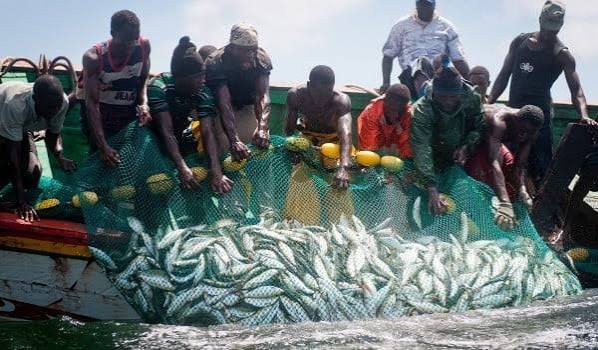
Nigeria and Ghana have renewed efforts to strengthen cooperation in the fisheries sector, with both countries exploring stricter vessel monitoring and improved regulatory measures to tackle illegal fishing and protect marine resources.
The initiative is aimed at improving fisheries management, strengthening maritime oversight and promoting sustainable fishing practices across the Gulf of Guinea.
The renewed collaboration is expected to enhance information sharing between the two countries, improve compliance with fishing regulations and address activities that threaten fish stocks and the livelihoods of coastal communities.
Illegal, unreported and unregulated fishing remains a major challenge across West Africa, contributing to declining fish populations, economic losses and food insecurity. It also places legitimate fishing operators at a disadvantage and undermines government revenue.
Stronger vessel controls could help authorities identify suspicious fishing activities, monitor vessels more effectively and improve enforcement of existing regulations.
The cooperation is also expected to support efforts to protect the marine environment while encouraging responsible fishing practices and the sustainable use of shared maritime resources.
For Nigeria and Ghana, the fisheries sector remains important to employment, food supply and economic activity, particularly among communities that depend on fishing and fish processing.
Closer collaboration could therefore improve regional maritime governance, strengthen the protection of aquatic resources and support the long-term development of the fisheries industry.
The success of the initiative, however, will depend on effective implementation, adequate monitoring infrastructure and sustained cooperation between the relevant authorities in both countries.
#Nigeria #Ghana #Fisheries #IllegalFishing #MaritimeSecurity #GulfOfGuinea #FoodSecurity #BlueEconomy #OnPointGist